Tag Archives: healthy

Bon Appetit’s Chickpea, Barley, and Feta Salad

17 Jul

Processed with VSCOcam with f2 preset

My pantry is filled with grains. Grains in various packages–bags, quart containers, boxes, tupperware, and random bulk-bin bags. Grains in various amounts–a nearly full container, half empty, one or two servings left, and a serving that requires more math to calculate liquid-to-grain ratios than I would like to think about.

In my pantry I have: amaranth (I’ve been checking this post out for how to use my amaranth. I want to try popping it), bulgur (that one is in the fridge for some reason), three different kinds of oats, about two servings-worth of farina, polenta, grits, barley, a cupful of arborio rice, couscous, short grain brown rice, jasmine rice, farro, roasted buckwheat grouts (aka kasha), a handful of egg noodles, angel hair, and spaghetti. I recently polished off the quinoa and the millet, and I am exercising serious restraint not to buy more before I finish off some of my other grain odds and ends. Those darn odds and ends. At least grains have a long shelf life.

Looks like Amanda Hesser and I are on the same wavelength, though. She recently prepared lunch for her kids by using up the “various inconvenient amounts” of grains lying around. She boiled them one at a time in the same pot and, like magic, lunch was packed and pantry space was created and only one pot was dirty.

The upshot of all of this pantry overload is that overtime I built myself a arsenal of healthy, quick (and not-so-quick) pantry grains for that perfect throw-together meal. I just need a better system for storing, organizing, and keeping track of all the grains.

Processed with VSCOcam with f2 preset

One of the many grains in my pantry is barley. I bought the barley in the winter when I made this creamy chicken soup, and it’s about time that I use it again. Let’s take barley’s “heft and chew” from winter stew to summer salad.

I enjoyed a big bowl of Chickpea, Barley, and Feta Salad for dinner with a little sautéed pesto zucchini and a cold cherry balsamic shrub with a squeeze of lemon juice. Hit. The. Spot.

Leftover grain salads make a great lunch the next day, too.

Barley tip: I soaked the pearled barley in water overnight to speed up the cooking time. Soaking is also thought to enhance the nutrient absorption of the grain by decreasing phytic acid. Nutrition Stripped has a handy guide on soaking and sprouting as a quick reference.

Soaking changes the color of the barley to a slightly gray-color vs. a toasty beige, but the taste is essentially the same. Check out this Serious Eats post about soaking. Up to you if you want to soak, but I recommend it, if anything to save you some time.

Don’t have barely on hand? Feel free to use brown rice, quinoa, farro, wheatberries, pasta, or really any other grain you have in your pantry!

Chickpea, Barley, and Feta Salad

adapted from Bon Appetit

makes about 4 servings

NOTE: I didn’t use all of the barley that I cooked. That was my personal preference. Using all of the barley for this recipe seemed like A LOT of barley, and I liked having more even amounts of grains, beans, and veggies in my salad. I saved some of my leftover barley in the fridge and ate it later in the week with different accoutrement. You can also eat leftover barley as a sweet or savory breakfast. 

8 oz. green beans, halved crosswise

1 cup pearled barley, soaked overnight and drained

1 teaspoon olive oil

1/4 cup pumpkin seeds (or sunflower seeds)

1 15-oz can chickpeas, drained and rinsed

4 oz. feta cheese, cubed or crumbled

handful of fresh spinach, leaves torn

juice of half a lemon

optional: fresh ground pepper, pinch of salt, a few sprigs of fresh herbs (thyme, oregano…), a pinch of your favorite spices 

  • Cook green beans in a large pot of boiling water until crisp-tender, about 3 minutes. Using a sieve or a slotted spoon, transfer to a bowl of ice water.
  • Return water to a boil, add barley, and simmer until tender (refer to packaging for timing, mine only took about 10 minutes since I soaked it overnight); drain. Let cool slightly.
  • Heat oil in a small skillet over medium heat. Cook pumpkin seeds, tossing occasionally, until golden brown, about 5 minutes; let cool.
  • Toss green beans, barley, pumpkin seeds, chickpeas, feta, spinach, lemon juice, and optional herbs and spices in a large bowl. Enjoy!

Mustard Roasted Salmon with Asparagus and Fingerlings

29 Jun

Processed with VSCOcam with f2 preset

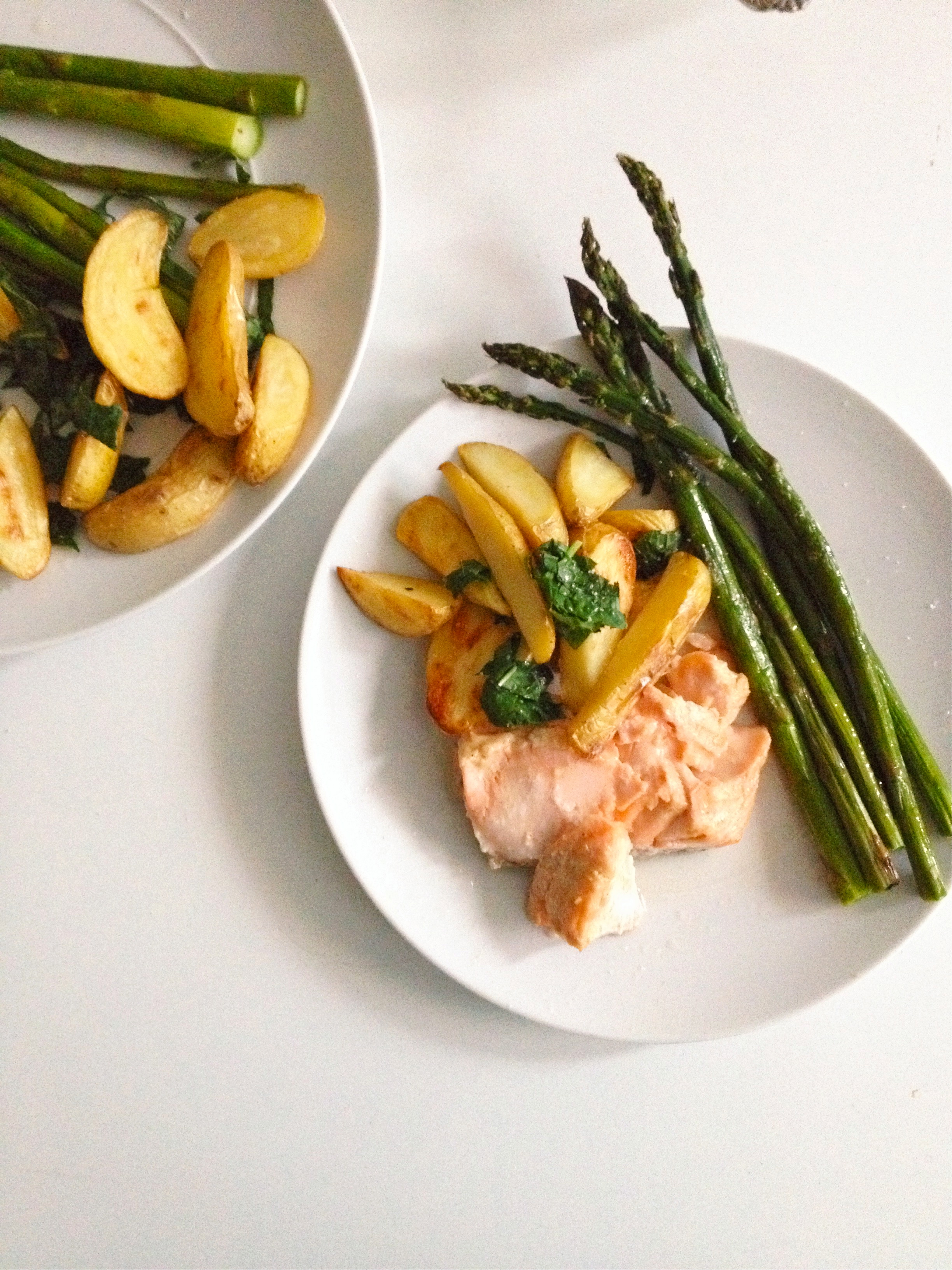
It’s hot here in New York, but I am still turning on the oven…for now. The temperature has not yet escalated to the point where I refuse to be in the kitchen under heat. So, a simple, roasted dinner I made.

As per my last post, I am trying to incorporate more fish into my diet. Salmon is in season in the summertime, and the pink, fatty fish looks so nice next to green and gold asparagus and fingerling potatoes.

I was in the Upper West Side area on a Friday afternoon, and after seeing every other person on the street with a shopping bag from New York City’s famous Zabar’s, I just had to go in and pick up some fish for dinner.

Processed with VSCOcam with f2 preset

The vegetables were from the Columbia greenmarket. Fingerlings are one of my favorite potato varieties. They really do look like little fingers! I had some leftover kale ribbons, so I spread my roasted vegetables on a small bed of raw kale.

Processed with VSCOcam with c1 preset

A no-fuss oven to plate dinner.


Mustard Roasted Salmon with Asparagus and Fingerlings

The salmon served 2, the vegetables served 4 (I saved for leftovers the next day)…you can always adjust the amounts if you want 

For the vegetables:

1 bunch of asparagus, trimmed at the ends

10 fingerling potatoes, sliced in half the long way and sliced again if you want the smaller

1-2 tablespoon olive oil

salt and pepper, to taste

For the fish:

1 large fillet of salmon (about 1/4 pound)

1/2 tablespoon mustard

1 1/2 tablespoons olive oil

1/2 tablespoon red wine vinegar (or lemon juice)

a pinch of each salt and pepper

Preheat the oven to 400 degrees. Line a baking sheet with parchment paper.

Spread the potatoes on one half of the baking sheet, and the asparagus on the other half of the baking sheet in a single layer (if you can’t make a single layer, use 2 baking sheets). Drizzle the olive oil over the vegetables, tossing to coat. Sprinkle with a dash of salt and pepper (you can always use more later).

Roast the vegetables, checking after 10 minutes. The asparagus will be done before the potatoes. After 10-15 minutes, the asparagus will probably be done. Transfer the asparagus to a serving plate, re-distribute and spread the potatoes out on the baking sheet, and return the potatoes to the oven. They will cook for about 20 to 30 minutes more or until slightly golden and soft.

———-

Meanwhile, pat the salmon dry. Line your baking sheet (or pie pan!) with a rectangle of parchment paper. Place the salmon onto the parchment, skin side down.

Whisk together the mustard, olive oil, vinegar or lemon juice, and salt and pepper. Spoon it over the salmon (you may not need all of it, save the rest for a vinaigrette…just don’t double dip your spoon). Roast the fish in the oven for about 10-20 minutes, checking oven so as not to overcook the salmon.

Throw-Together Late Spring/Early Summer Pasta

8 Jun

Processed with VSCOcam with f2 preset

I’m back in New York after visiting California for 10 days, five in the Bay Area with friends and five in Los Angeles with family. All of the summer produce was in full swing: stone fruit, cherries, berries,  summer squashes, tomatoes…

New York greenmarkets literally just started selling strawberries, and rhubarb and asparagus are still hanging on, even into the month of June (this is rare according to my greenmarket vendor).

While I had a giant list of restaurants to eat at, I found myself cooking and baking quite often during my California visit.

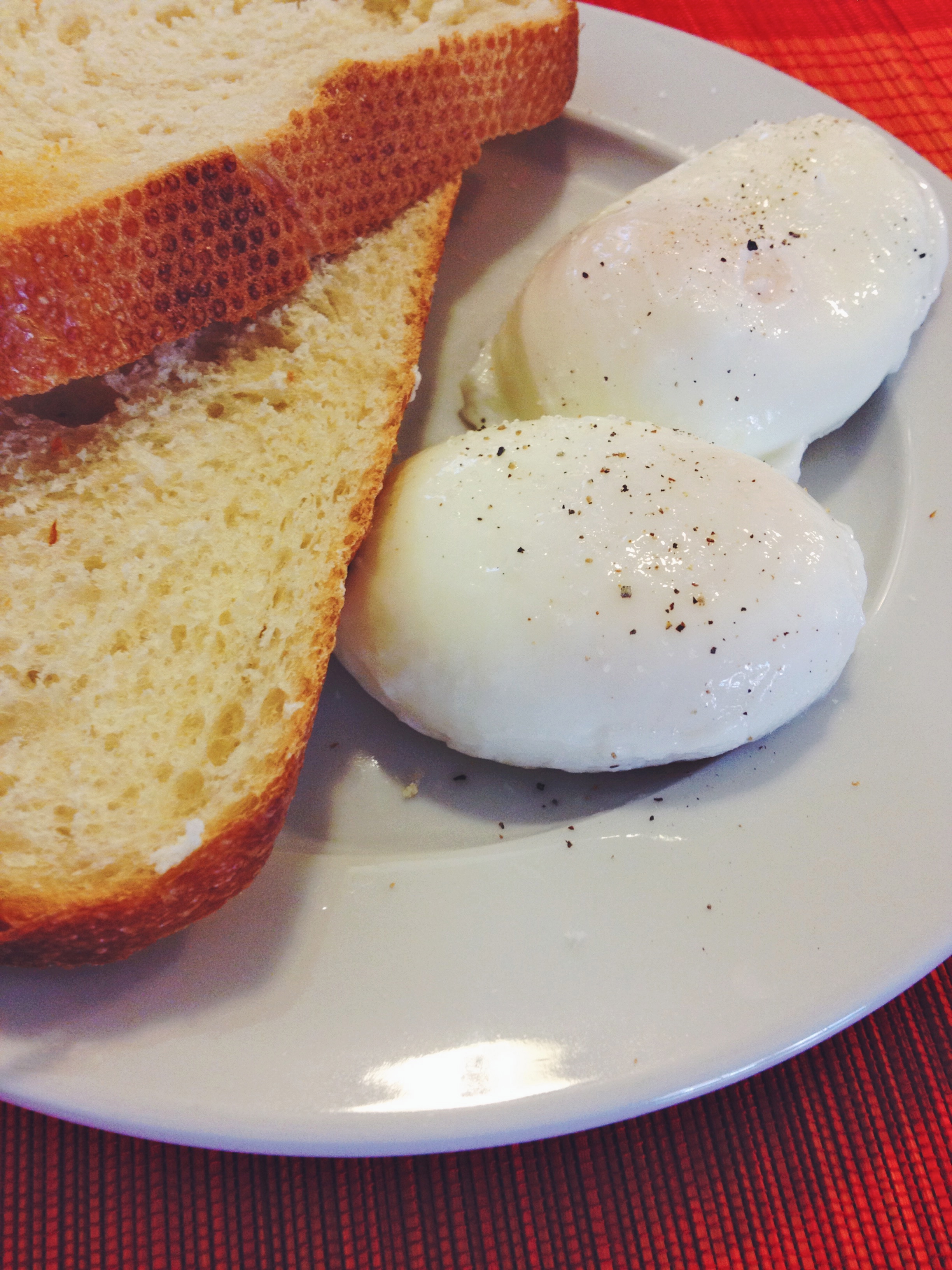
I made a plum galette using this recipe as a guide (I didn’t use almonds to keep things simple). I made Smitten Kitchen’s brown butter salted rice crispy treats. I made the Silver Palate’s  zucchini bread. I made lots of smoothies. I made poached eggs and veggie egg scrambles. Simple things, but so nourishing.

Processed with VSCOcam with f2 preset

Processed with VSCOcam with f2 preset

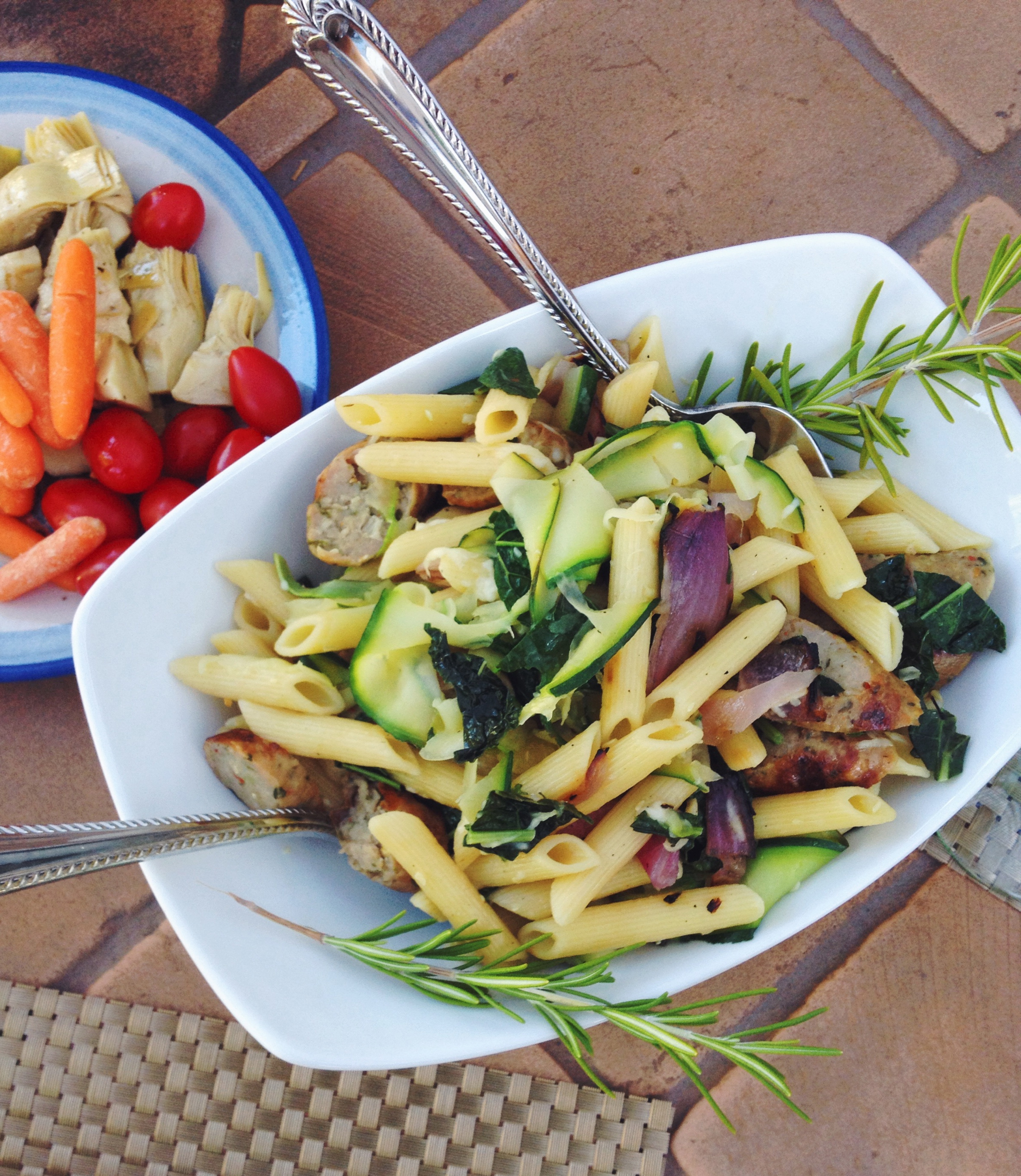
I found myself making this throw-together pasta twice, once in the Bay Area and once in Los Angeles. The trick: save about 1/2-3/4 cup of the water that you use to cook the pasta in. Adding back the hot starchy water keeps the veggie-filled pasta creamy and coated.

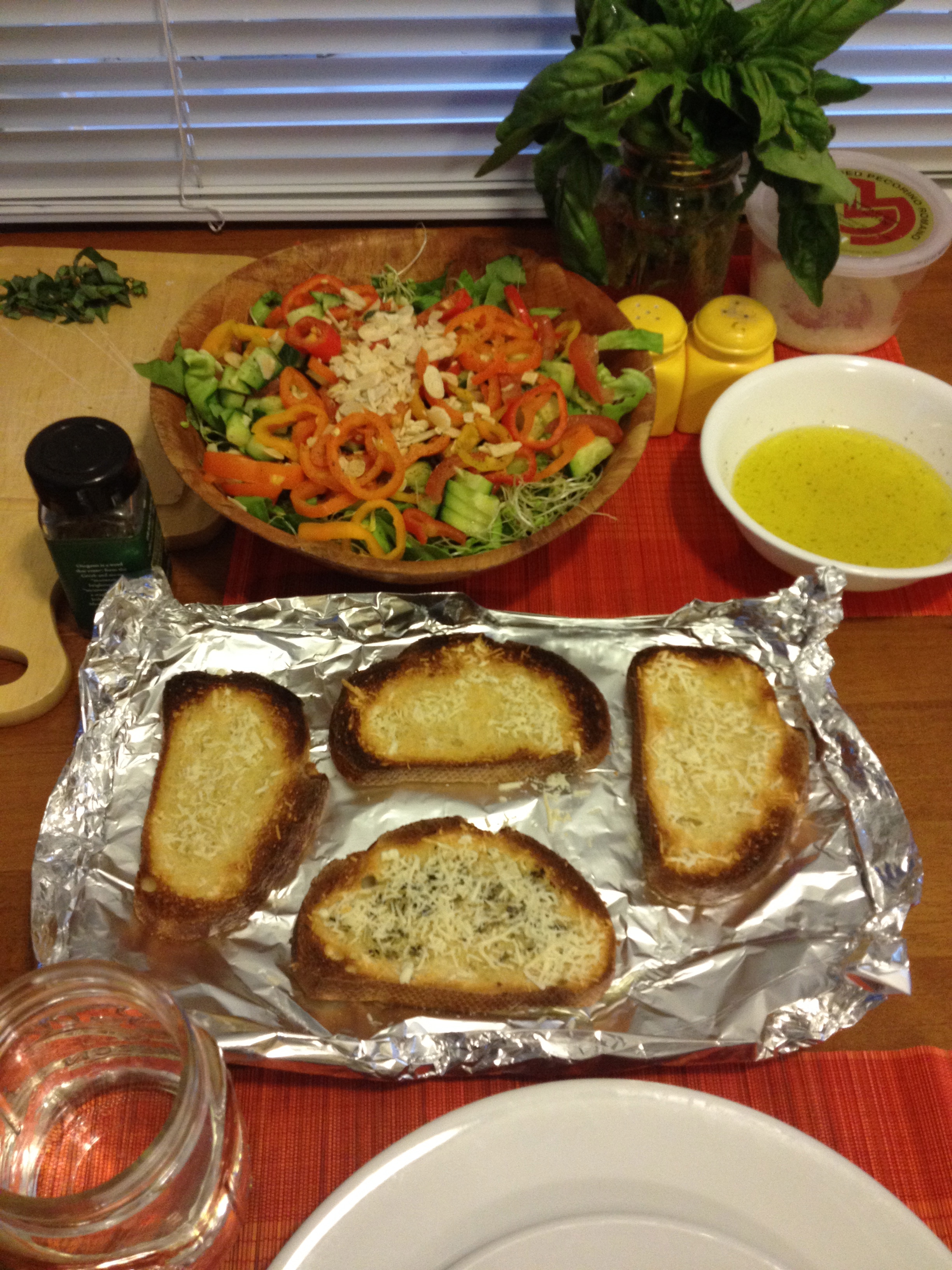
I made this pasta the first time in Berkeley, with my friends Sara and Nir. We used a mix of chard and kale, onion, ribboned asparagus, basil, and lemon zest. Pasta water, Parmesan, a splash of red wine vinegar, and salt and pepper were added as finishing touches. A great vegetarian meal. To go with the pasta, Sara made us a colorful salad with lemon dressing, and Nir made his cheesy garlic olive oiled bread.

IMG_2698

Sara, Nir, and I loved the pasta so much, so I made it again for my parents on my last night in L.A. My mom grilled some sausages and we added them into the pasta at the end. I used zucchini ribbons instead of asparagus. No basil, but some rosemary on the side. And lemon zest and juice this time instead of a splash of vinegar.

Remember: save your cooking water. It makes all the difference.

New York, I’m waiting very patiently for the rest of the summer produce to arrive. Until then, I’m eating as much rhubarb, strawberry, young greens, and asparagus as I can.

Processed with VSCOcam with f2 preset

Throw Together Late Spring/Early Summer Pasta

makes about 3-4 servings

1/2 pound pasta (if you can find it, use mini penne)

1-2 tablespoons olive oil

2 medium zucchini or 1/2 bunch of asparagus

1/2 onion, red or white

1-2 cloves garlic

1 small bunch kale or chard

zest and juice from 1 small lemon

Salt and pepper, to taste

Parmesan cheese, to taste

Grilled sausage (I used a chicken cilantro sausage), optional

Using a vegetable peeler and holding one end of the vegetable, shave the zucchini (or asparagus) into long ribbons. Chop the onion, mince the garlic, and chop the kale and/or chard (you can use the chard stems but not the kale stems).

Bring a large pot of water to a boil. Once boiling, add a hefty amount of salt and the pasta. Cook according to the package directions or until al dente. In the last minute of cooking, drop the zucchini or asparagus ribbons into the boiling water. When the pasta is cooked, drain the pasta/vegetable ribbon mixture. *SAVE 1/2-3/4 cup of the water and set aside.*

Heat the grill and grill some sausages. Once grilled, cut them up into bite-size pieces. (alternatively, you could cut the sausages up and saute them in the skillet with the kale, or omit altogether to keep things vegetarian).

Heat the olive oil in a large skillet. Add the onion and saute for about 5 minutes. Add the garlic and saute for another minute. Add the kale and cook until just wilted. Turn off the heat.

Mix the cooked pasta/ribbons in with the sauteed onions and greens mixture. Pour in the reserved pasta water and toss. Toss in the lemon zest and juice. Mix in the grilled sausages. Add salt and pepper and Parmesan to taste.

You’ll want seconds. Trust me. 

Mustard Greens and Grits

25 May

Processed with VSCOcam with f2 preset

Let’s step away from the convenient pre-washed, packaged spinach for a minute. It’s greens season, and there are bunches and bushels of young spring greens awaiting you at your local farmer’s market.

I’ve been reading through Jo Robinson’s Eating on the Wild Side, and she makes an interesting point about modern greens:

“Over the course of ten thousand years of agriculture, our farming ancestors managed to remove the bitterness from most of our greens. Unwittingly, though, when they removed the bitterness, they were also stripping away a host of highly beneficial phytonutrients that happen to have a bitter, astringent, or sour taste. Our mild-to-a-fault iceberg lettuce, for example, has one-fortieth as many bionutrients as bitter dandelion greens. Calcium is bitter as well, so the calcium content of our modern greens is also relatively low.”

Robinson also notes that to tone down bitter flavors, fat can help. One might, for example, add some avocado to a salad with bitter lettuce greens. Another option: *~bacon~*

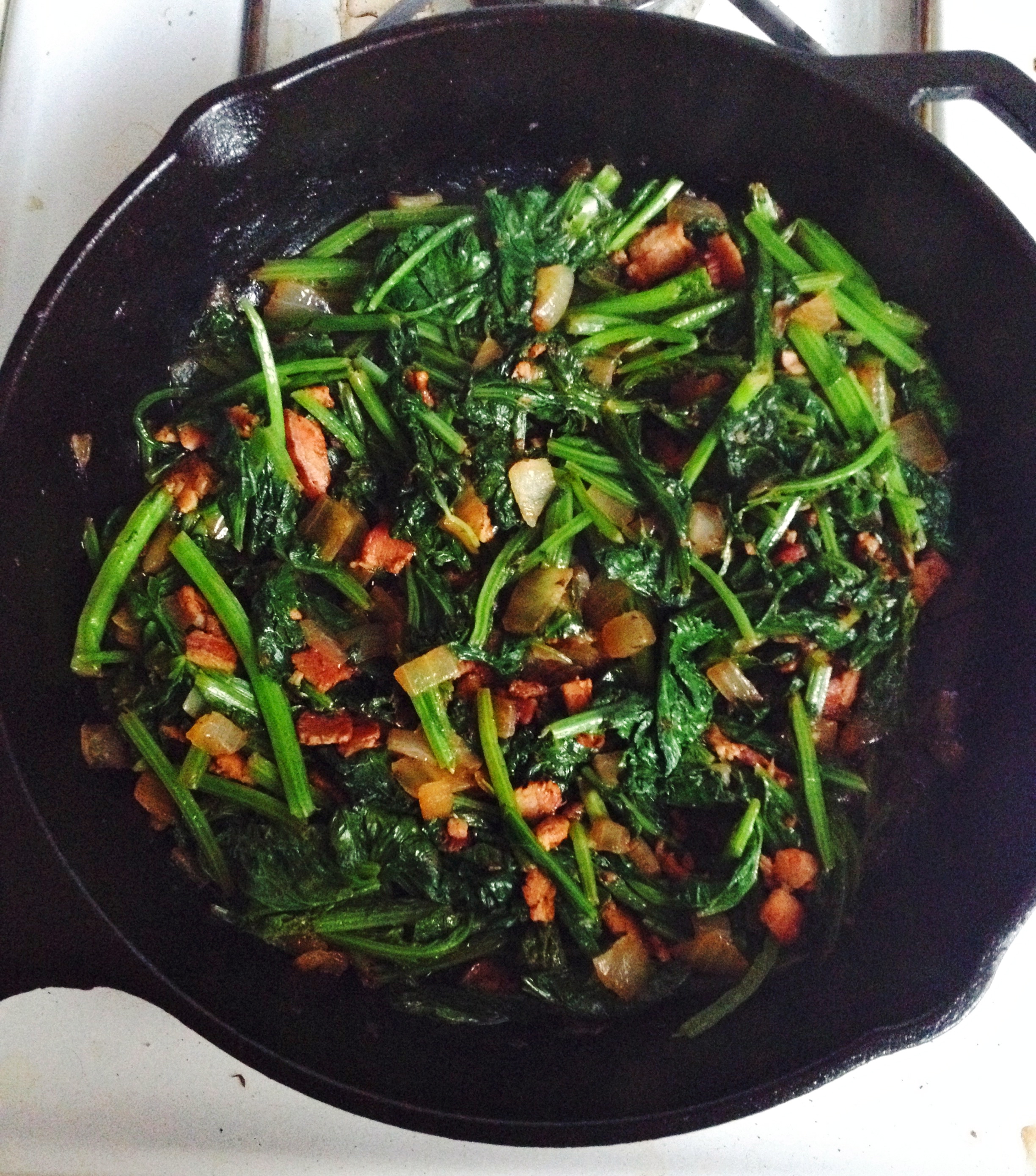
Bacon + mustard greens nudged with creamy yellow corn grits. Bitter-creamy-toothy-savory goodness. A real spring comfort.

IMG_2615

Bacon gets sizzled in a pan (cast-iron or dutch oven preferable). A little onion for a little more bite.

Processed with VSCOcam with f2 preset

In batches, throw torn mustard greens  into the pan. They cook down quite a bit, so d0n’t be afraid to add the entire bunch. Cover with a lid to let the stems braise in their own liquid.

Processed with VSCOcam with f2 preset

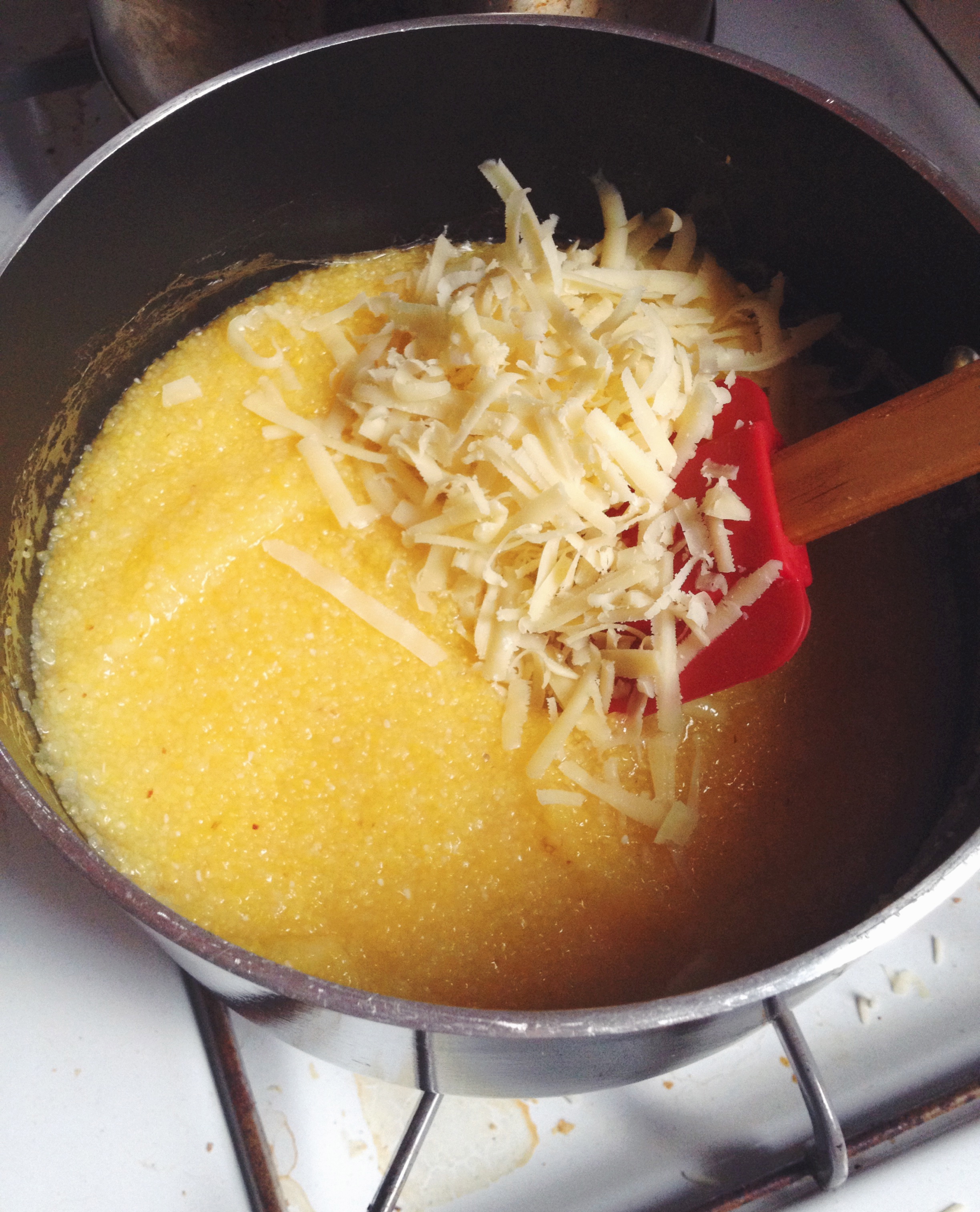
While the bacon braised greens get going, cook the grits. It’s a 1 to 4 grits to liquid ratio. I used water. Boil the water, add the grits, stir. Done in roughly 5 minutes. Finish with freshly grated sharp cheddar and a little pat of butter.

IMG_1136

Mustard greens with bacon and onion, nudged and nestled with fluffy yellow grits.

You’re welcome.

Quick Mustard Greens With Bacon

makes about 3-4 servings

4 slices bacon, diced (I used Brooklyn Cured bacon)

1 bunch mustard greens (from Migliorelli Farms), torn into smallish pieces

1 small onion, chopped

splash of red wine vinegar

pinch of salt

Heat a cast iron skillet over medium-high heat. Add the bacon and cook, stirring every so often to brown the bacon. Add the onion and cook for another few minutes. *I needed to add a dash of canola oil here because my bacon was very lean.

Add the mustard greens to the pan in batches and saute until just wilted. Turn the heat to low, cover the pan, and let it simmer for about 4-5 minutes, or until the greens have braised in their own liquid and the stems are slightly softened.

Uncover, add a splash of vinegar (helps reduce the bitterness of the mustard greens) and a pinch or two of salt. Serve nestled next to or on top of some creamy cheddar grits.


Cheddar Grits

makes about 4 servings

4 cups water

1 cup yellow corn grits (I used Arrowhead Mills Organic Yellow Corn Grits)

pinch salt

2-3 ounces grated cheddar

1 tablespoon butter

  • Bring water to a boil. Slowly add in the grits, stirring constantly. Reduce the heat to low, and stir for about 5-6 minutes or until thickened slightly and cooked.
  • Once the grits are cooked, add in a pinch of salt, the grated cheddar, and the butter. Stir to incorporate and melt.

IMG_1137

Spring Quinoa Salad with edible flowers

25 May

Processed with VSCOcam with f2 preset

Spring has sprung in New York City, and there is so much to eat!

Yesterday was my last “composting and healthy snacks” session for seniors with mild memory loss, in conjunction with The Memory Tree Program, Teachers College, and the Morningside Gardens Co-op. Read more about our first session and our Earl Grey Spiced Fruit Compote here.

The Memory Tree is New York City’s first program devoted to people with mild memory loss, and their family and caregivers.

This was the end (for now!) of a series of “Going Greener” workshops, continuing a previous project about nutrition, cooking, and farmer’s markets. The “Going Greener” project came about as a way to learn how to keep the world healthy, focusing specifically on composting and easy snacks. 

The series comprised 5 sessions, with each session consisting of a compost component, a media workshop, and a healthy snack and drink. Each week, we gave the seniors digital cameras to use so that they could document the colorful snacks and activities. We also made little youtube videos with the photographs. Check out some of the fun videos on our channel.

My main role was to find and/or develop our recipes, purchase the ingredients, and gather the necessary kitchen tools and gadgets . In other words, I was the official “Recipe Consultant.”

These were the 5 snacks and drinks:

1. Earl Grey Spiced Fruit Compote with Lemony Water

2. Carrot and Hummus “Sushi Sandwiches” with Cucumber “Spa Water”

3. Peanut Butter Oat Snack Bites with Minted Ice Cubes and Earl Grey Ice Tea

4. Mud Pudding aka Chocolate Tofu Pudding with Strawberries and Seltzer

5. Spring Quinoa Salad with Edible Flowers, Hummus Feta Toasts with Pansies, Blueberry Frozen Yogurt Bites, and Sparkling Cider

IMG_2573

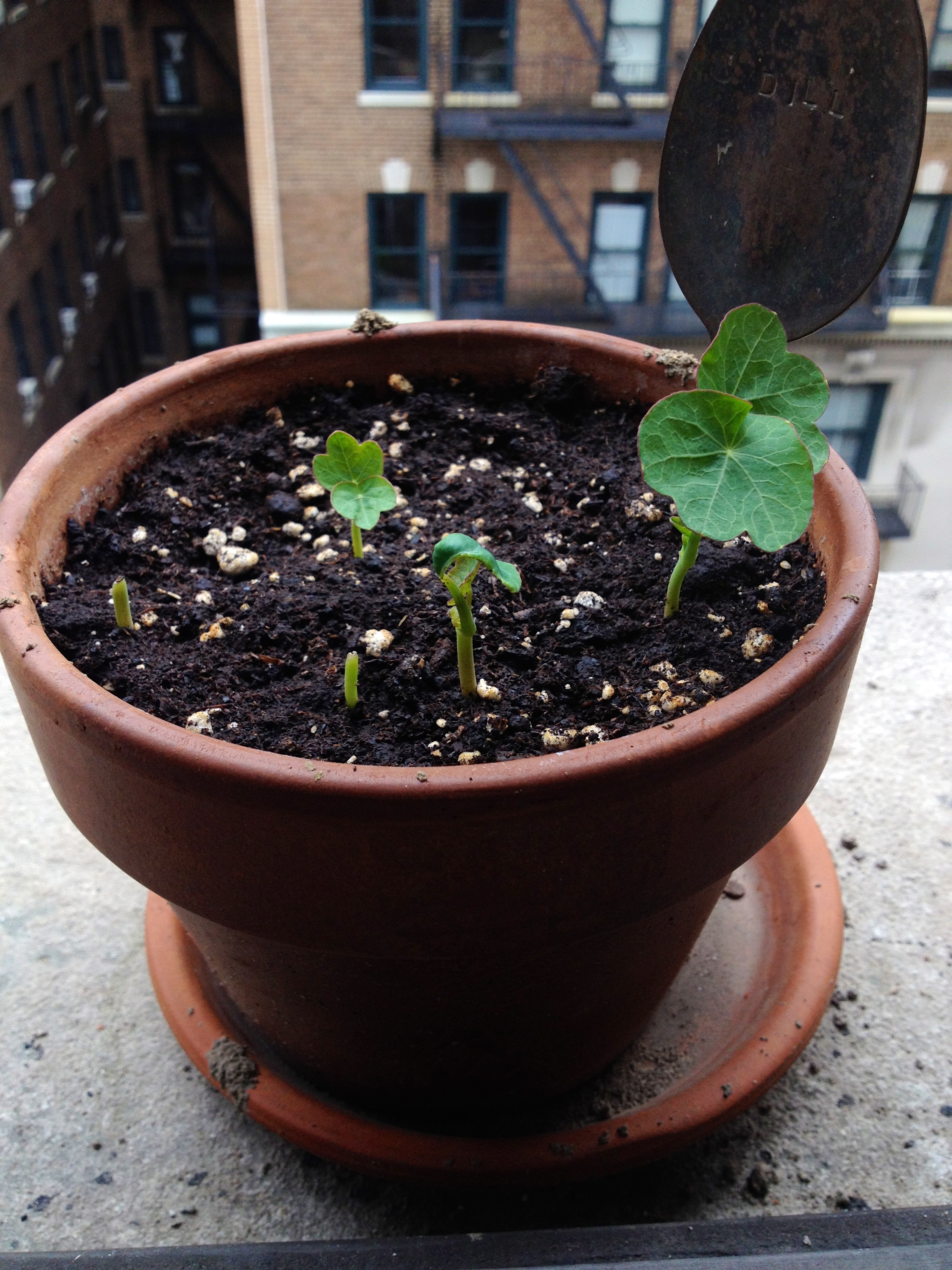
Edible flowers are fun to eat and beautiful to photograph, so we planted nasturtium seeds with the intention of eating them at the final session. I took a few seeds home to plant, too! If you have never tasted an edible flower, the flavor and texture are similar to a slightly peppery lettuce leaf.

IMG_2587

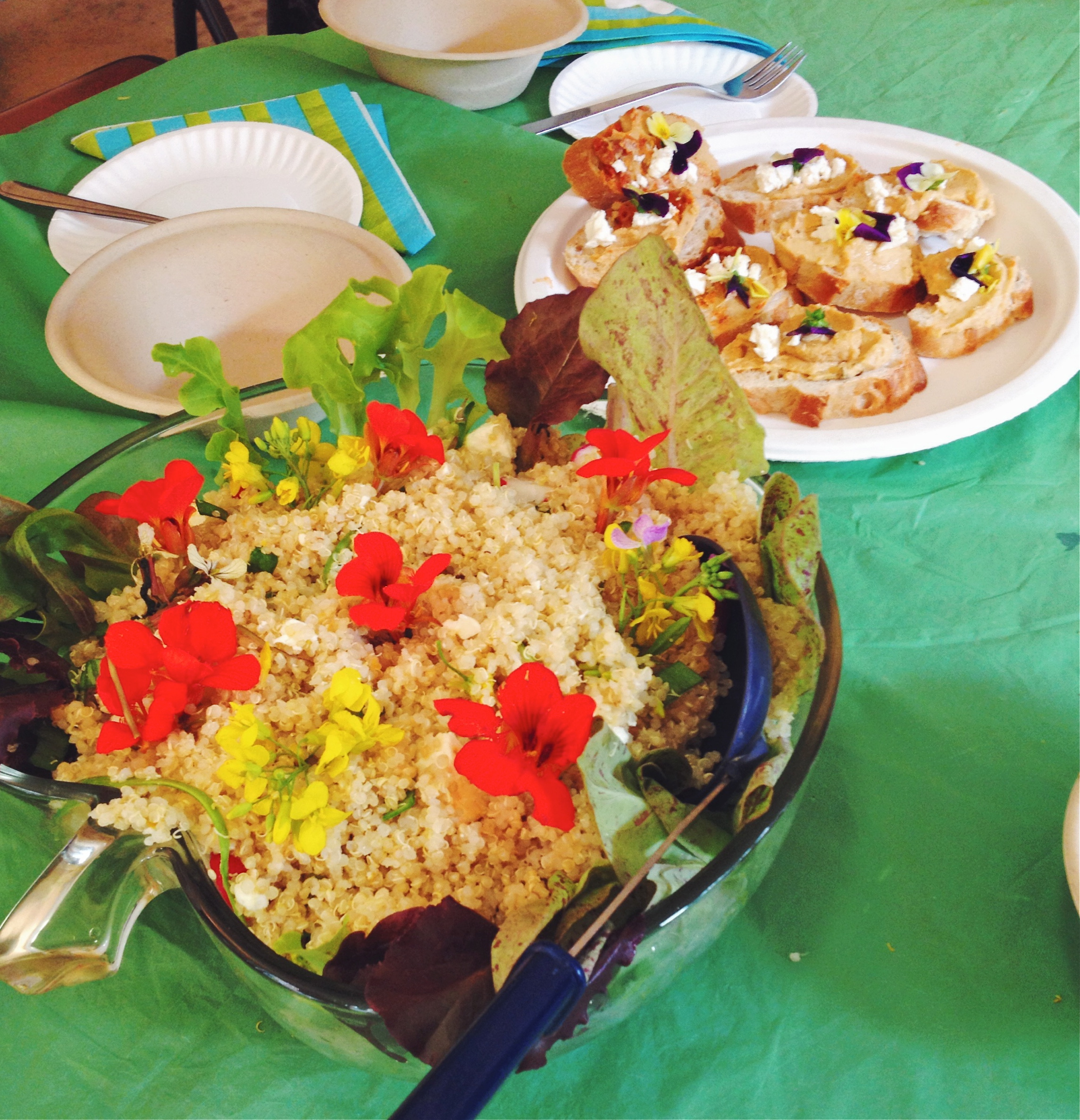
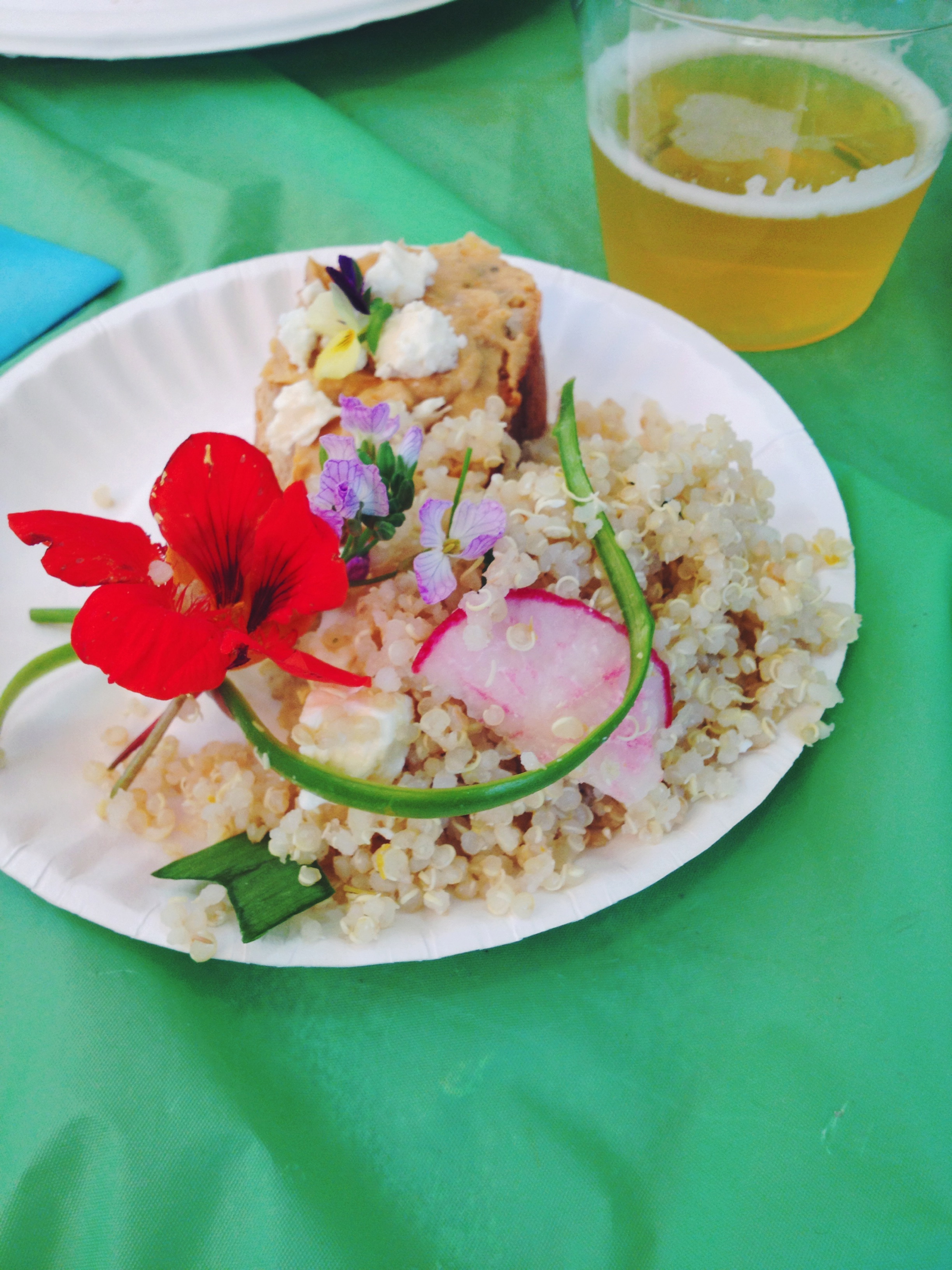
The final snack (it was more of a meal this time) was a Spring Quinoa Salad. All of the veggies were from the greenmarket: radishes (did you know radishes have about as much or more potassium as a banana?!), ramps, asparagus, and baby lettuces. We also found an assortment of edible flowers: broccoli rabe flowers, radish flowers, and arugula flowers.

IMG_2586

We chopped the radishes and ramps, and shaved the asparagus into ribbons with a vegetable peeler. Then we tossed everything together with the quinoa, added crumbled feta cheese, lemon zest, and lemon juice. We scooped the quinoa onto a nice bed of lettuces and delicately topped everything with nasturtium.

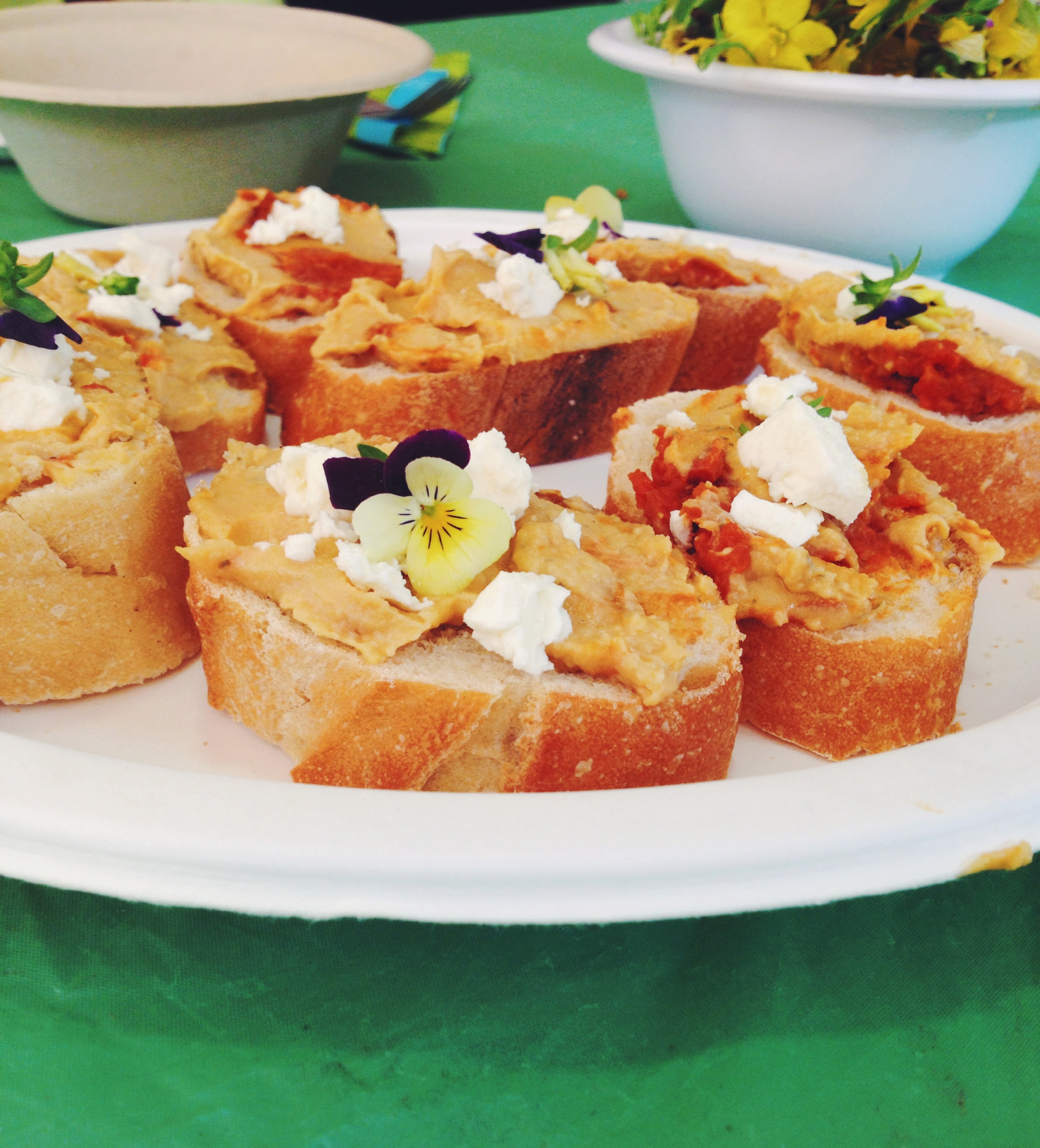
We also sliced into a baguette, spread the bread rounds with hummus, and sprinkled feta and edible pansies over the top. The pansies were from a plant we bought at the greenmarket.Who knew you could eat pansies?

Before every snack or meal, we all would set the table and clink our glasses together, toasting to good food and good company. Cheers! And don’t forget to compost the food scraps.

Processed with VSCOcam with f2 preset

I didn’t get a picture of our blueberry frozen yogurt bites, but they were so easy and so good. I got inspired after seeing this recipe.

Also, if you are looking for more fun, spring veggie talk, check out this episode of one of my favorite podcasts, Spilled Milk Podcast. They talk about ramps, fiddleheads, pea shoots, and nettles.

And for more spring quinoa inspiration, check out Megan’s post on Elevating Lunch.

Processed with VSCOcam with f2 preset

Spring Salad with Edible Flowers

Quinoa is full of good-for-you protein and fiber, and it cooks in just minutes. Throw in some seasonal veggies and creamy cheese, and delicately dot with fresh herbs and nasturtium for a picture perfect spring salad! 

*This recipe is very much to your own taste. Once you have your quinoa base, throw in the suggested add-ins as you like! 

serves 4

1 cup quinoa

Seasonal veggies i.e. asparagus (shaved into ribbons), ramps or spring onions, radishes, baby lettuces…

Feta or soft goat cheese (about 2 oz. or so)

Edible flowers i.e. nasturtium, pansies, or broccoli rabe flowers/arugula flowers/radish flowers

Lemon, zest and juice

  • Rinse the quinoa and drain it. Cook the quinoa in a saucepan (2 cups water to 1 cup quinoa) for about 15 minutes or until cooked and fluffy. Put aside.
  • Chop the seasonal veggies into small pieces. If using, shave asparagus with a vegetable peeler (that way you can enjoy it raw).
  • Crumble the cheese.
  • Zest the lemon.
  • In a bowl, combine the cooked and cooled quinoa, the chopped veggies, the crumbled cheese, and the lemon zest. Squeeze lemon juice over the top and toss to combine.
  • Delicately place the edible flowers on top and serve!