Archive | grain RSS feed for this section

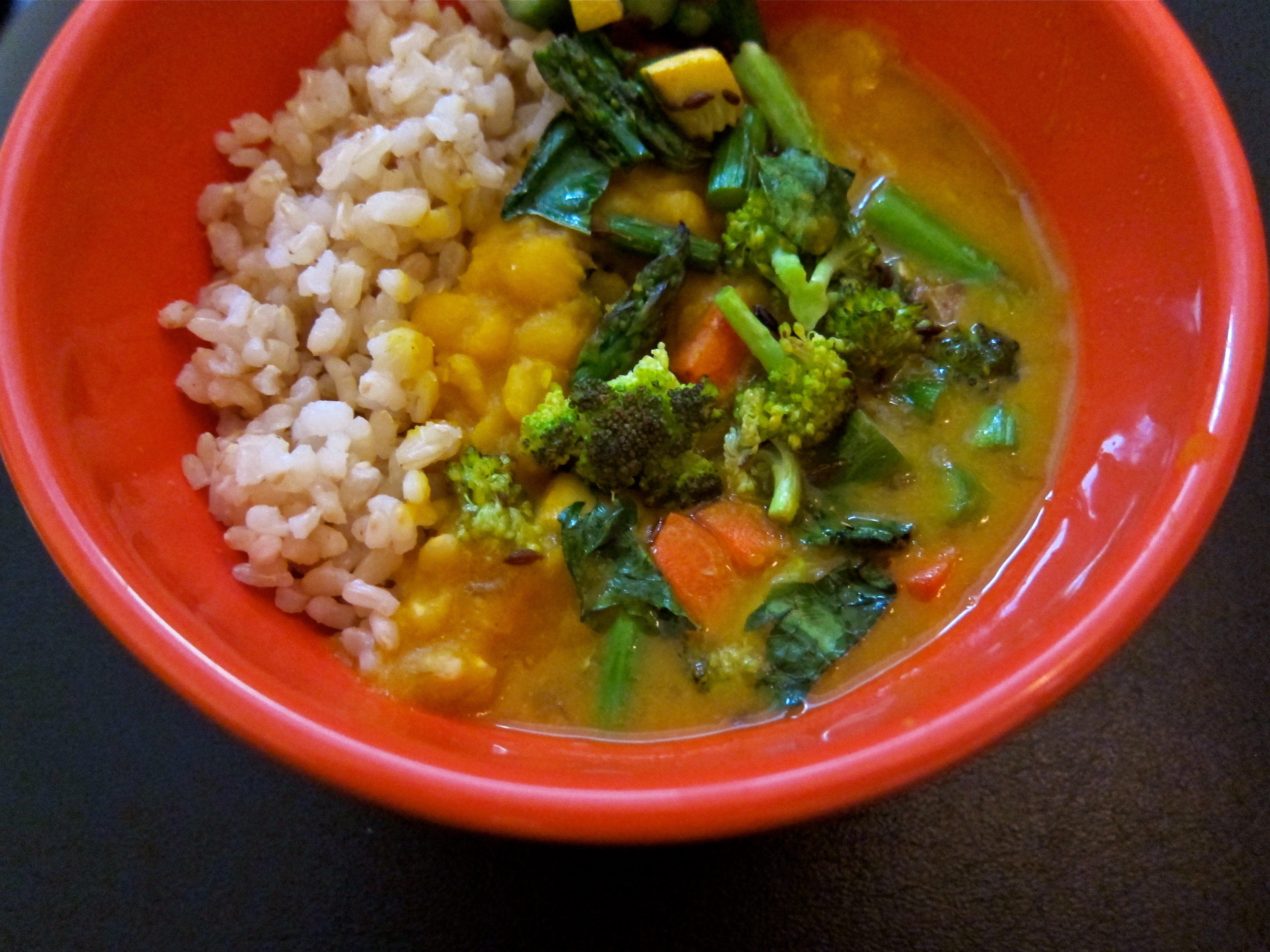
Yellow Split Lentil Dal with Seasonal Veg.

4 Jul

IMG_0751

A year ago I was blogging about green split lentils and blubbering about leaving my amazing job as a pastry cook.

Today I am officially done with my first year of nutrition graduate school!!! Woo woo. To celebrate, I will bring you full circle and present another split lentil recipe: Yellow Split Lentil Dal.

No matter how many different things I learn about in my nutrition classes, I always come back to FOOD.

A big fan of reading (and drooling over) Martha Rose Shulman’s NYTimes Recipes for Health, I never actually made anything of hers until recently. In the last month, I’ve gone on a Martha spree, making an eggplant pasta inspired by her recipe, finding my new FAVORITE way to prepare steel cut oats, and reading about her “sweet secret” (I guess there are a lot of us “health mavens” who find a niche in the world of dessert!). And this week when I bought a beautiful bag of yellow legumes, where did I find the inspiration to make a spiced lentil dal? Yep. Ms. Shulman strikes again!

Yellow split lentils (or peas) are super high in protein (10g per serving) and fiber (3g soluble fiber, 7g insoluble fiber per serving), and are a great source of folate and magnesium, with a decent amount of iron and zinc. Yay for plant-based protein! The slight downside is that they take about 45 minutes to cook, but you can just get your brown rice going in a rice cooker and simmer the lentils on a pot and by the time you’ve checked your email and browsed the Internet for what feels like a moment, dinner is basically ready.

Ooo and apparently yellow split peas can be used in baked desserts? Has anyone ever seen or tried a dessert with split peas in it?!

IMG_1166

Yellow Lentil Dal with seasonal veg.

adapted from Martha Rose Shulman of the NYTimes’ Recipes for Health

**I loved the flavor of the cumin seeds with the garlicky vegetables. I happened to have a bunch of seeds laying around from when I made these roasted nuts a while back. Feel free to use ground cumin if that is all you have on hand. 

1 cup split yellow lentils, rinsed

1 teaspoon minced fresh ginger

1 1/2 teaspoons turmeric

1/2 medium onion (intact), peeled

Salt to taste

1 1/2 tablespoons fresh lime juice

2 tablespoons oil

1-2 cups finely chopped seasonal veg. (I used a few asparagus sprigs, a small broccoli stalk, and a yellow squash)

1 plump garlic clove, minced

1 teaspoon cumin seeds

1. Combine the lentils, ginger, turmeric and onion half (don’t chop it) with 1 quart water and salt to taste (about 1 to 1 1/2 teaspoons) and bring to a gentle boil. Stir only once to make sure there are no lentils sticking to the bottom of the pot. Reduce the heat to medium – the lentils should simmer briskly – and cook uncovered until the lentils are tender, 30 to 40 minutes.

2. Stir in the lime juice. Stir together and simmer for another minute. Turn off the heat and using an immersion blender, an Indian mathani (a wooden tool used for mashing dal) or a wooden Mexican hot chocolate mixer, partially pureé the dal. It should be thick but not like a pureed soup.

3. Meanwhile, heat the oil over medium-high heat in a pan. Add the cumin seeds and allow to sizzle, stirring, for 10 seconds. Add the garlic and cook until lightly colored, about 15 seconds. Add the vegetables and cook until slightly softened, about 4-5 minutes. Remove from the heat and pour over the lentils.

Serve over your favorite grain. I used short grain brown rice.
Summer Salad Round-Up!

24 May

Summer is about to hit us in full force, and I want us to be prepared for the potlucks, barbecues, picnics, and shenanigans to come. Pretty soon I will transition from roasting all of my veggies to shaving them into ribbons and enjoying them raw, preparing grain-based salads, bouncy pastas, light sautés, and brothy soups. It will simply be too dang hot turn on the oven.

Here are some ideas for no-cook (or very-little cook…) hearty salads to ring in the sunshine and keep us lookin’ nice and cool. Variations and substitutions are encouraged. Have fun and experiment.

IMG_0392

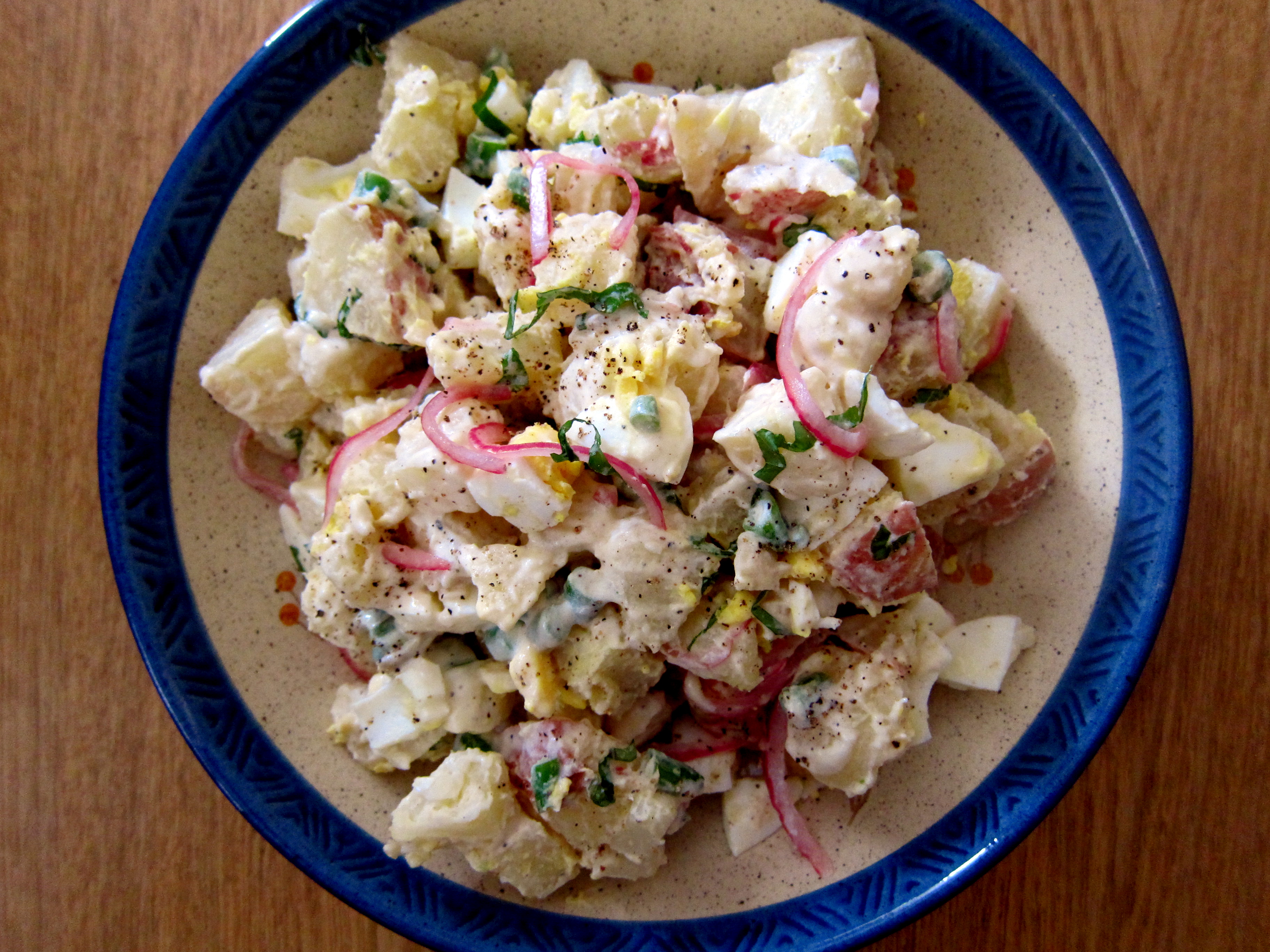
Potato Salad with Pickled Red Onion. Can you say 4th of July party?! This salad is salty, crunchy, acidic, herby, and creamy all-in-one. Heck yes.

IMG_0296

Get your fix of beans with this 3 Bean Summer Salad with Corn, Tomato, Avocado & Lime. Colorful and bright, this salad is great on its own or even used as a taco filling or chip dip.

IMG_1026

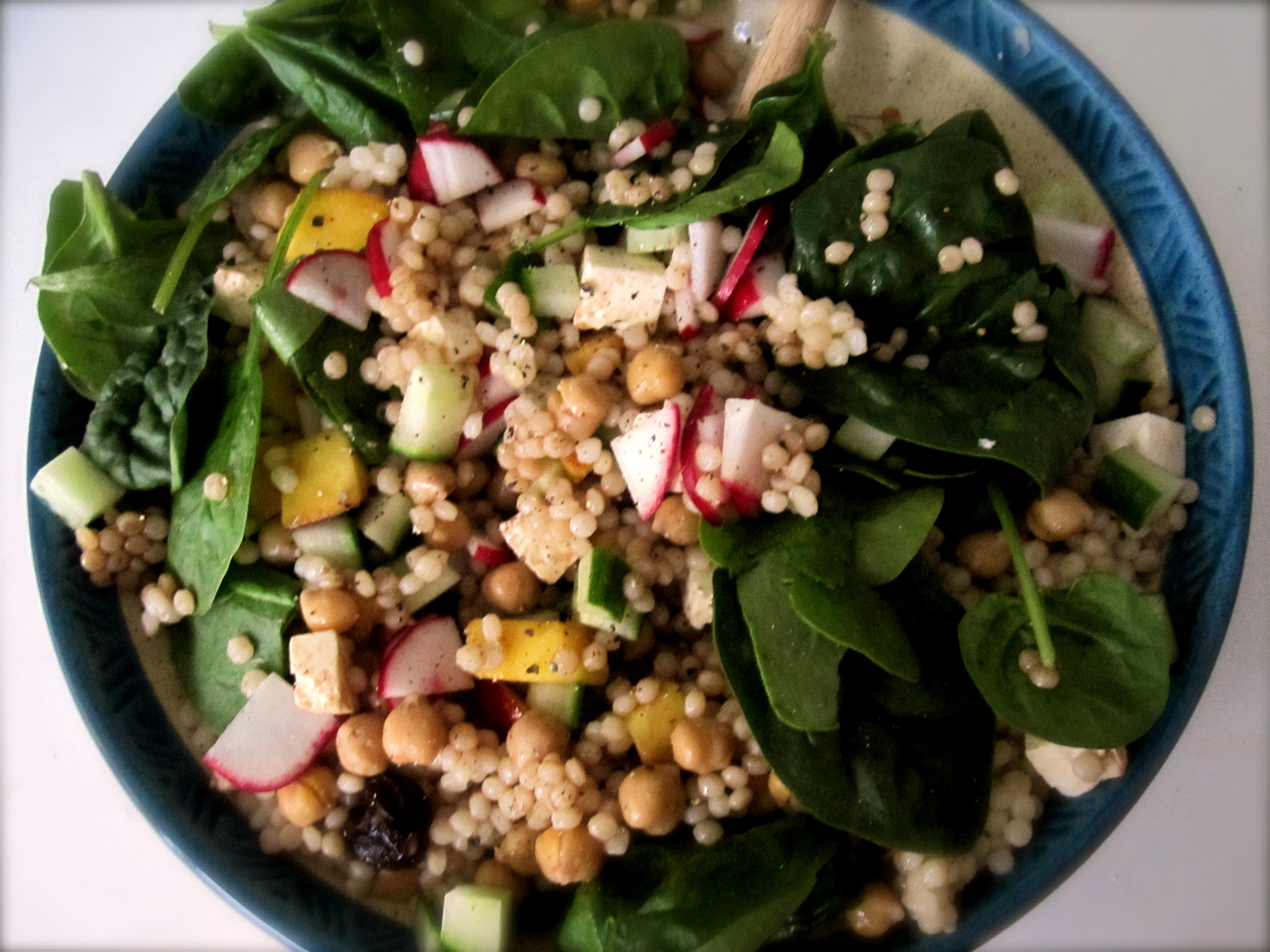
Radishes are taking over the farmer’s marktes in NY right now. Snag a bunch, slice them thin, and add them to this Israeli Couscous Salad. You could also try making a variation of this salad with a Miso Dressing.

IMG_0778

This Sweet and Savory Quinoa Salad is an old-time favorite. If it’s too hot to roast cauliflower, feel free to use whatever vegetable is easy to prepare and catches your eye. The dried fruit and Mediterranean spices remind me of summer fun.

IMG_0716

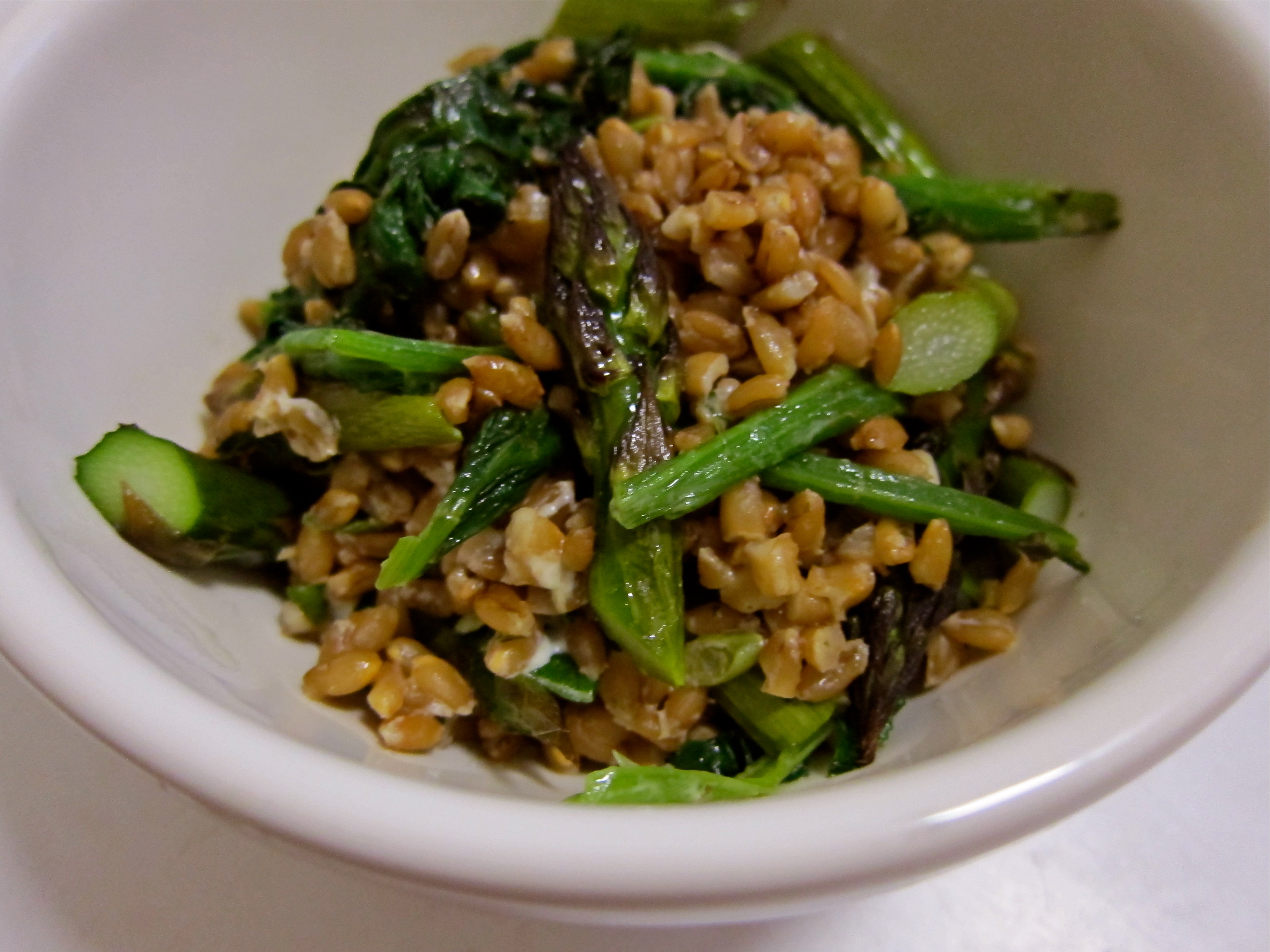
You better get your hands on asparagus NOW, before it goes out of season! Enjoy it in a Farro Salad. I recently made a variation of the potato salad above and added asparagus to it.

IMG_0750

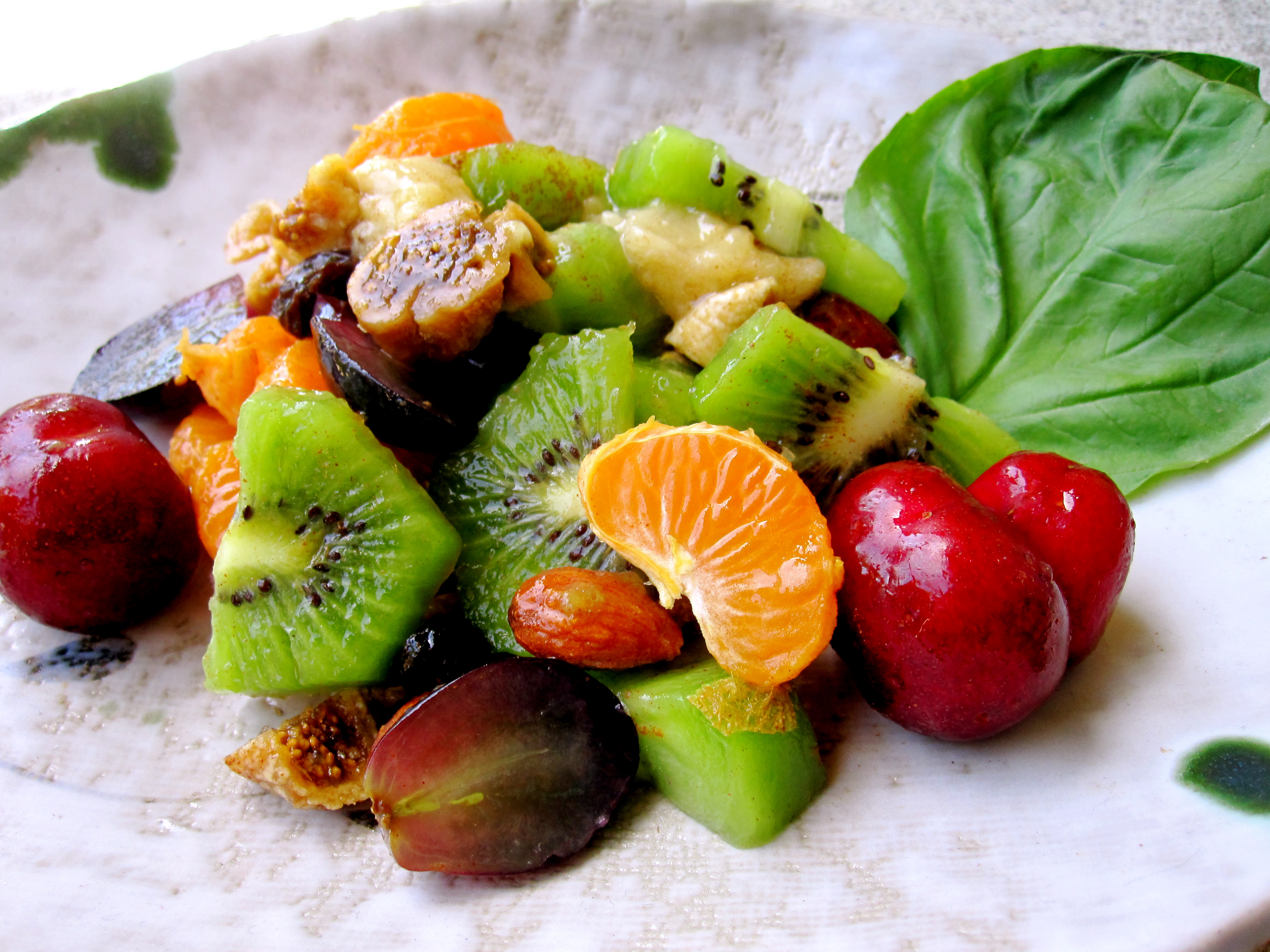
No Cook Summer Fruit Salad. I like to use a mix of fresh fruit and dried fruit, with some fresh herbs and cinnamon to pack a punch. It is hard not to eat the whole bowl in one sitting.

Farro Salad with Roasted Asparagus and Overwintered Spinach

4 May

IMG_0983

Grain-based salads are my norm, my go-to, my default. Paired with seasonal veggies and a little protein from cheese or nuts or an egg, grain-based salads are a great dinner-to-lunch-the-next-day meal.

I work at a bakery that also carries some miscellaneous knickknacks for purchase like NYC soil, cocoa nibs, kale chips, random books on bicycles, dog toys, kombucha, and…emmer Farro from Cayuga Pure Organics! After gawking at the farro for weeks and weeks, I finally brought some home to “sample” the product.

Farro is one of those nutty grains that when cooked should be soft with a slight bite to it. Farro is typically combined with Italian or Mediterranean flavors, but you could definitely experiment. Some people even like to make a risotto using farro, or to sweeten it and call it breakfast.

I recently listened to an episode of WNYC’s Leonard Lopate Food Fridays show about grains that I found very interesting…check it out here. In that same episode, he speaks to Melissa Clark from the NYTimes Dining section about packing lunch, and she has some good words to say about farro.

IMG_0715

One of my nutrition professors recommended buying the overwintered greens at the farmer’s market right now. From what I’ve read, overwintered greens are super sweet and only available for a short time…right NOW! These are greens that have been planted in the fall, their shoots and leaves die off in the winter frost, but the roots remain and lend new stems emerging from the sweet roots.

I never knew about this before, and after tasting this spinach, it really is a treat.

Very anxious for spring produce, which is just barely starting to show up in the markets now, I was excited to try this overwintered spinach in combination with the first asparagus of the season. Indeed this is a transition meal, as the weather is finally starting to be consistently “nice” here in NYC.

I added some Vermont Creamery goat cheese to the salad, which I imagine would be perfect with spring strawberries (which I hope to see at the market soon…we still just have apples here in NY…), drizzled with some aged balsamic.

IMG_0716

Farro Salad with Roasted Asparagus and Wintered Spinach

**NOTE: if you don’t have farro, you could always substitute with Israeli couscous, orzo, quinoa, millet, rice, wild rice, wheat berries…etc.

1 cup farro, soaked in water for at least 4 hours

1 bunch asparagus

1 clove garlic

3 handfuls overwintered spinach

1 scallion or spring onion or a 1/4 shallot, thinly sliced/diced/slivered

2 oz goat cheese

extra: salt, pepper, drizzle of balsamic, dash of pesto…

Drain the water from the soaked farro. Place farro in a pot and with water to cover the farro by about an inch. Bring to a boil, and then simmer on medium-low heat for about an hour or until soft but still has a slight chew, stirring occasionally.

Meanwhile, heat the oven to 425 degrees F. Roast the asparagus with a small drizzle of olive oil and salt for about 15 minutes. Take out of the oven, let cool slightly, and chop on the diagonal into bite-size pieces.

Heat a skillet with a little olive oil. Add the garlic and saute for 1 minute. Add the spinach and cook until just wilted, about 4-5 minutes.

To assemble: Combine the cooked farro, the asparagus bites, and the garlicky spinach. Toss with crumbled goat cheese, salt, pepper, balsamic, and a dash of pesto. Enjoy!

**You could also make a runny egg and top the farro with it!

Steel Cut Oats

5 Jan

IMG_0598

After a recent visit to California, I got hooked on steel cut oats.

Steel cut oats take longer to cook than old fashioned rolled oats (about 25 minutes versus 5 minutes), but they offer a nice alternative texture and are a healthy way to enjoy breakfast on the weekends. This morning, I got the oats started on the stove, and by the time I brewed my coffee and washed my face, breakfast was basically ready.

You could also make a bigger batch of the oats and save the leftovers in the refrigerator, reheating them when ready to eat again in the next day or two.

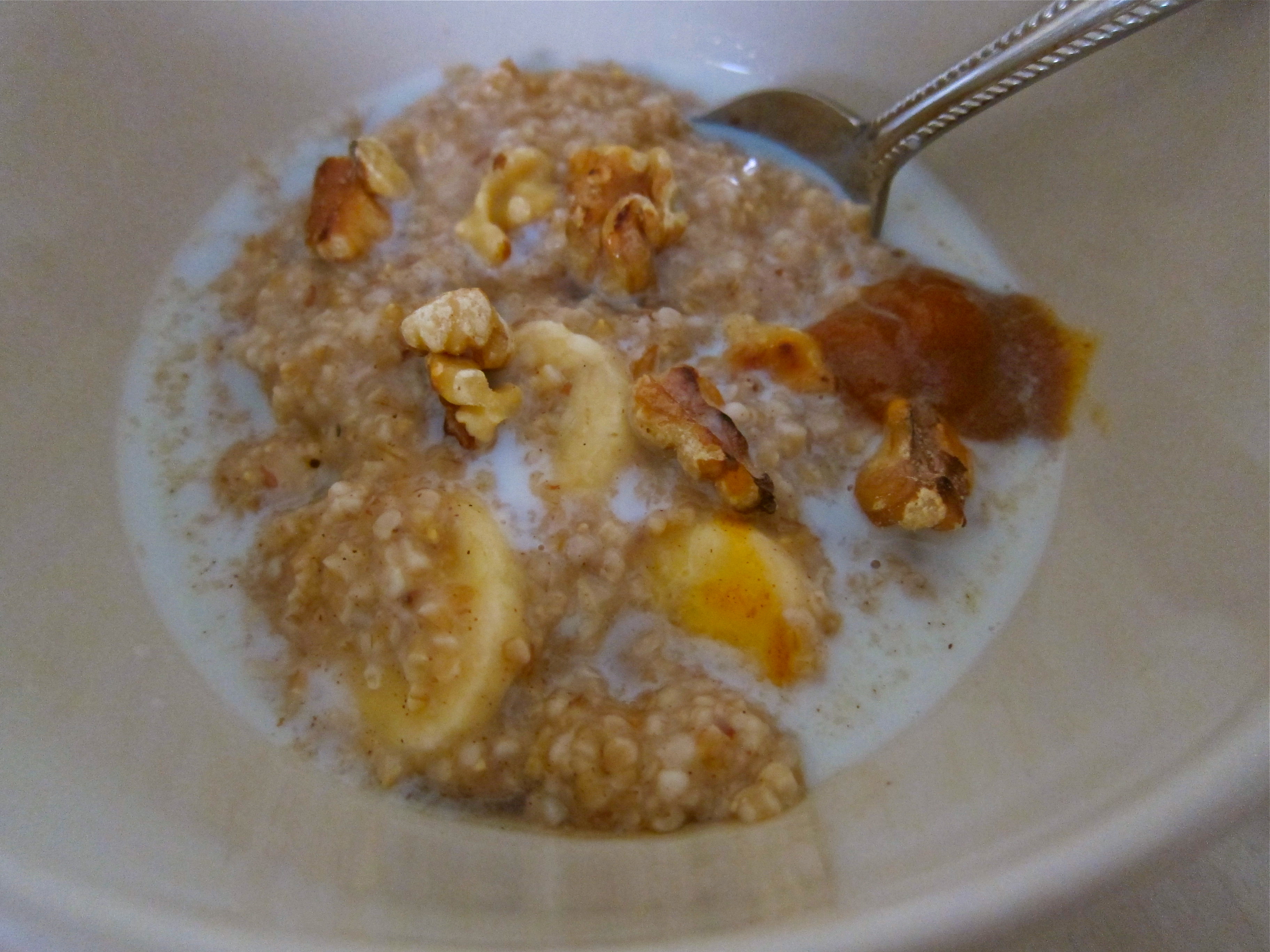
I like to eat my oats with a LOT of toppings. Before I take them off the stove, I will add a little banana, some ground flaxseeds, and a lot of cinnamon. Once I transfer it to my bowl, I top with a drizzle of maple syrup, some milk, and walnuts (I often use nut butters like peanut/almond/sunbutter to mix things up).

When I’m really feeling topping crazy, I add in some jam. In California, I made a stop at Kozlowski farms in Forestville to taste some jams. Their pumpkin butter was irresistible. I’ve been putting it on anything and everything since I’ve been home, including this morning’s steel cut oats.

IMG_0597

Steel Cut Oats

makes 2 servings

2 cups water

1/2 cup steel cut oats

1 banana, sliced

1/2 tablespoon ground flaxseeds

2 teaspoons cinnamon

maple syrup, to taste

1/4 cup walnuts, toasted

pumpkin butter

milk

Bring 2 cups water to a boil. Add the oats and stir constantly for about 5 minutes over medium heat, they will begin to thicken. Reduce the heat to a low simmer and let the oats cook for about 20 to 30 minutes more, uncovered. Stir occasionally.

Once at desired consistency, add in the sliced banana, ground flaxseeds, and cinnamon. Divide into 2 bowls. Top with a small drizzle of maple syrup, walnuts, pumpkin butter, and a little milk.

Stuffed Peppers With Quinoa, Feta & Summer Veggies

17 Jul

This weekend was filled with chicken sausages and potato salad.

This weekend was filled with a shared lunch at the Spotted Pig-the gargantuan burger with Roquefort cheese and shoestring fries, and the poached eggs with corned beef hash.

There was a cappuccino to be had at the new cafe around the corner from me, Kuro Kuma.

I wanted to squeeze in a meal at the new ramen joint nearby, Jin Ramen, but my belly just could not budge any further.

Sometimes you just have to sit back and indulge yourself. Hey, at least I was eating healthy breakfasts all weekend: I had oatmeal one day and a banana almond smoothie the next. With some plums and nectarines to fill in the gaps. So sweet and ripe, they tasted like honey!

I’m balancing things out today with loads of summer vegetables and a healthy bean and grain combo.

Holy smokes, people, do you know how good red bell peppers are for you?

Red bell peppers rank very high in Vitamin C content, with 140 mg of Vitamin C per 1/2 cup chopped red bell pepper. That’s higher than orange juice (75mg per 3/4 cup), broccoli (50mg per 1/2 cup), and strawberries (50mg per 1/2 cup).

The red color in bell peppers comes from natural plant pigments in the carotenoid family (specifically lycopene, lutein, and zeaxanthin). Lycopene is a carotenoid and an antioxidant that helps the body reduce the risk for certain types of cancer, and heart disease, in addition to helping lower blood pressure and LDL cholesterol. It is also great for protecting the tissues in your body and strengthening your immune system.

I won’t get into any more technical terms, but red bell peppers and red tomatoes pack quite the punch. Not to mention how good zucchini and corn and onion are for you. And you can be sure that the ever touted holy grail of grains, quinoa, is a steal when it comes to your health.

Once upon a time I lived in a big cooperative-living house. 2 people would cook dinner five or six nights a week for the whole house (~60 people). Stuffed peppers was an ever popular dish that was guaranteed to please a hungry household. So versatile, you could fill these gems with any kind of grain/veg./protein combo and never get bored. I was drifting down memory lane tonight while enjoying my pepper, prepared my favorite way…

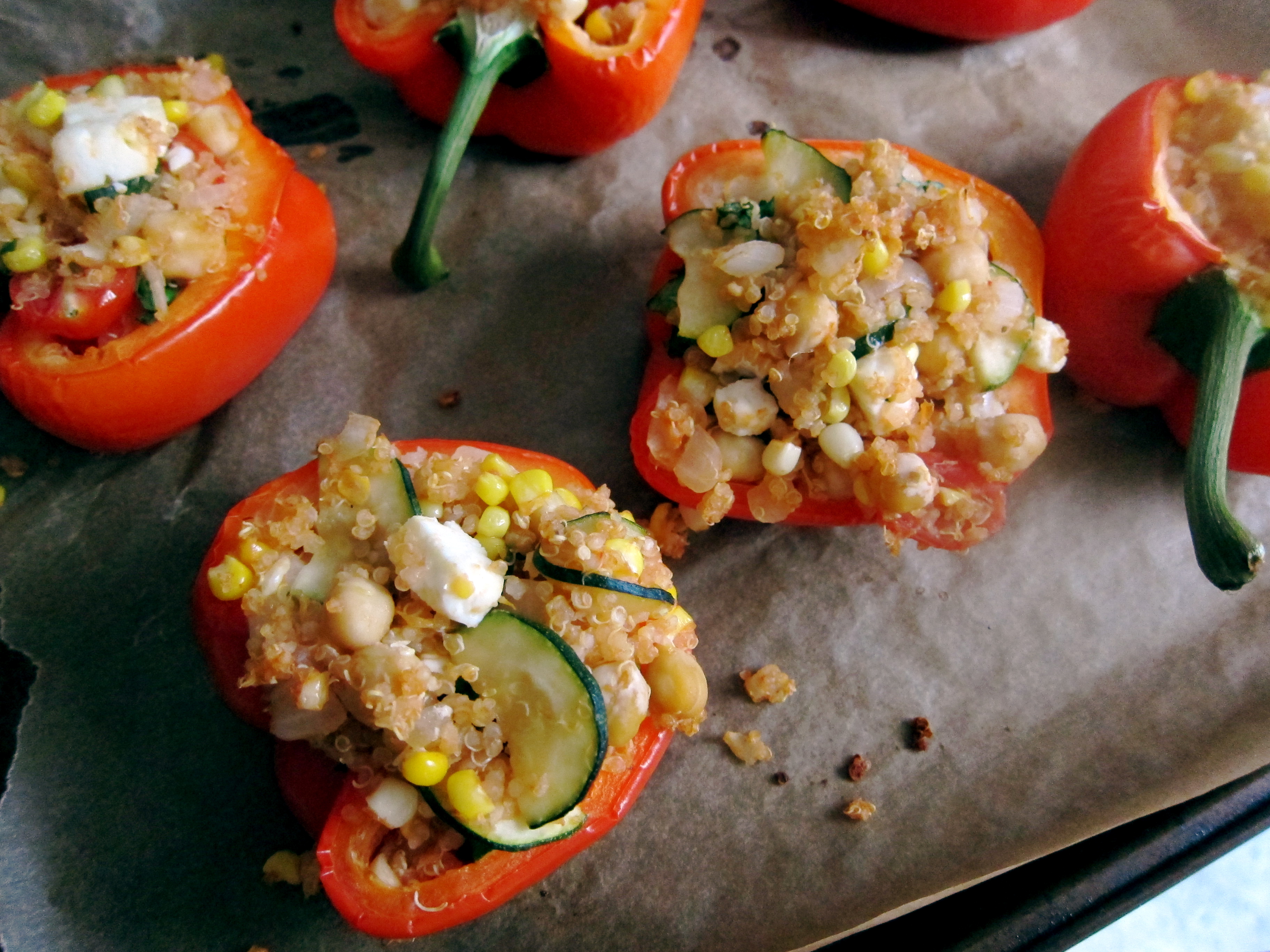
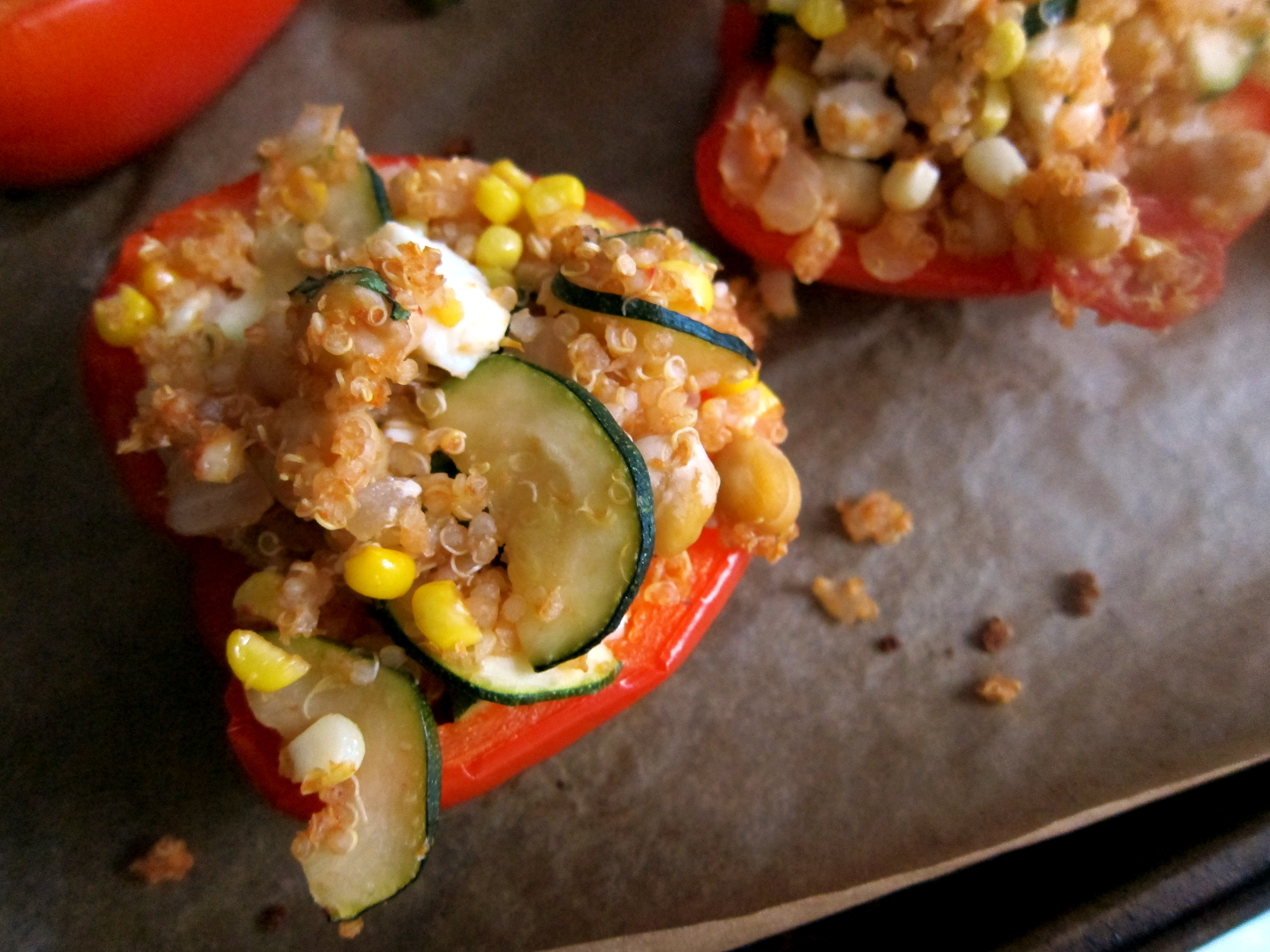
The feta cheese holds its shape nicely under the oven heat, but once you pop a cube in your mouth, it just melts on the tongue into salty savory bliss. And I love how the quinoa gets slightly crunchy on top after being in the oven. Ugh, so good.

Stuffed Peppers with quinoa, feta & summer veggies

adapted from SmittenKitchen

1 cup dry quinoa

bell peppers (I used 3 peppers, but still had some quinoa salad left over, which I was happy about)

1 tablespoon olive oil

1/2 of a large onion, chopped

2 ears of corn, shaved off the cob

1-2 medium zucchini or summer squash

3 tablespoons tomato paste*** see note

1 cup halved cherry/grape tomatoes

1 15-oz can chickpeas, drained and rinsed

4 oz of feta, chopped

seasonings: salt, pepper, dry oregano (maybe 1/2 teaspoon), fresh basil (to taste)

1. Rinse the quinoa. Add the quinoa and 2 cups of water to a small pot or saucepan. Bring to a boil. Reduce the heat to a simmer, cover the pot, and let it go for about 12-15 minutes, until the quinoa is cooked (should be light and fluffy with all of the water absorbed). Set aside.

2. Preheat the oven to 350 degrees F. Halve the bell peppers and take out the seeds and membrane (I like to keep the green stem for aesthetics). Line a baking sheet with parchment and place the pepper halves face up on the sheet. Bake for 15-20 minutes, until the peppers start to soften slightly. Take the peppers out of the oven and let them sit while you prepare the filling.

3. Heat the olive oil in a large pan. Add the onion, corn, and zucchini. Cook for about 5-8 minutes until the veggies start to soften slightly. Add some seasonings (salt, pepper, herbs) to taste.

4. Turn off the heat and add the tomatoes, chickpeas, and tomato paste to the veggie mixture. Add 2 cups of cooked quinoa to the mix (save the remaining quinoa for another use i.e. muffins?!). Toss in the feta cheese.

5. Fill the pepper halves with heaping amounts of the quinoa mixture. It is ok to have some leftover mixture for nibbling on later in the week. Bake the filled peppers for another 15  minutes. Enjoy!

***Note: Don’t you just hate opening up a can of tomato paste only to use a mere few tablespoons worth? Me, too. A great tip from registered dietitian Jackie Newgent is to freeze leftover tomato paste (wrap it in a cylinder in saran) and slice it off as needed. Preventing waste in the kitchen. Love it!