Archive | gluten-free RSS feed for this section

Fingerling Potato and Pepper Hash

18 Dec

IMG_1294

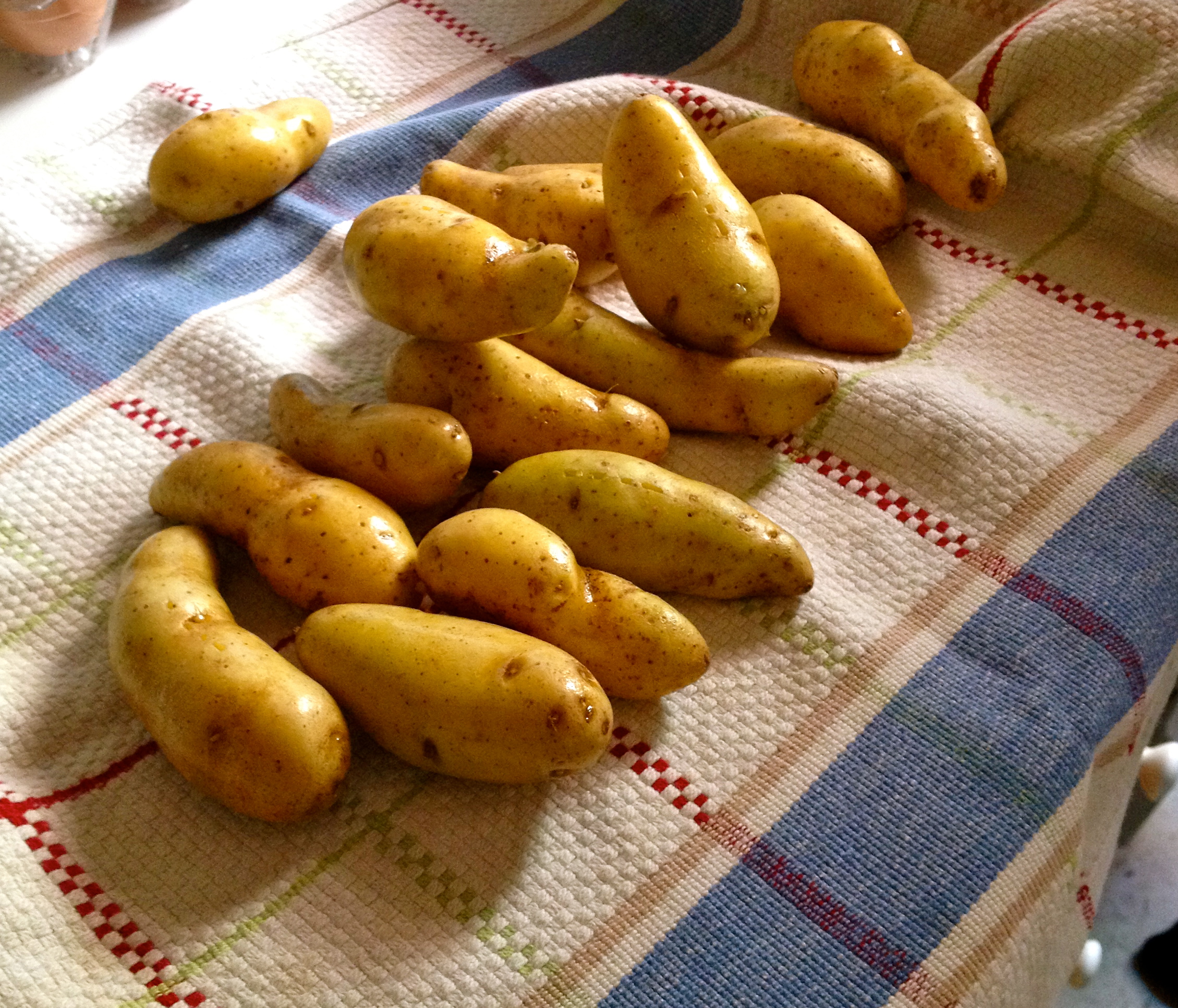
The weekend is almost here! Sleep in and make something special for breakfast.

I’ve been on a hash kick ever since I started hashing leftover Thanksgiving stuffing. Heat oil, add chopped things (vegetables, bread, meat, leftovers of all kinds). Grill until browned and re-crisped. A fried or poached egg on top is optional, but highly recommended.

Here’s how I make a Fingerling Potato and Pepper Hash: Continue reading

My Experience with Blue Apron

5 Nov

When it comes to food, I like to be in control. I like to be the one picking out groceries and I like to be the one cooking. But honestly, grocery shopping can be a pain sometimes.

Inspired by the discount offer of two free meals for first time users of Blue Apron (Blue Apron has also been sponsoring some of the podcasts I listen to lately), I decided to try out the services. With my discount offer, I paid about $40 for three meals intended to serve two people (regular price of about $60).

Blue Apron is a food delivery service that takes care of the grocery shopping, allowing customers to enjoy and focus on the cooking experience. After noting dietary preferences, Blue Apron ships three pre-shopped and pre-portioned meals on a week-by-week basis. The food gets carefully portioned and packaged and is shipped in a refrigerated box.

I wanted to keep an open mind, so I did not check off any dietary preferences to see what they would send me. The week before my delivery, Blue Apron sent me an email with the ingredients and recipes I would be receiving:

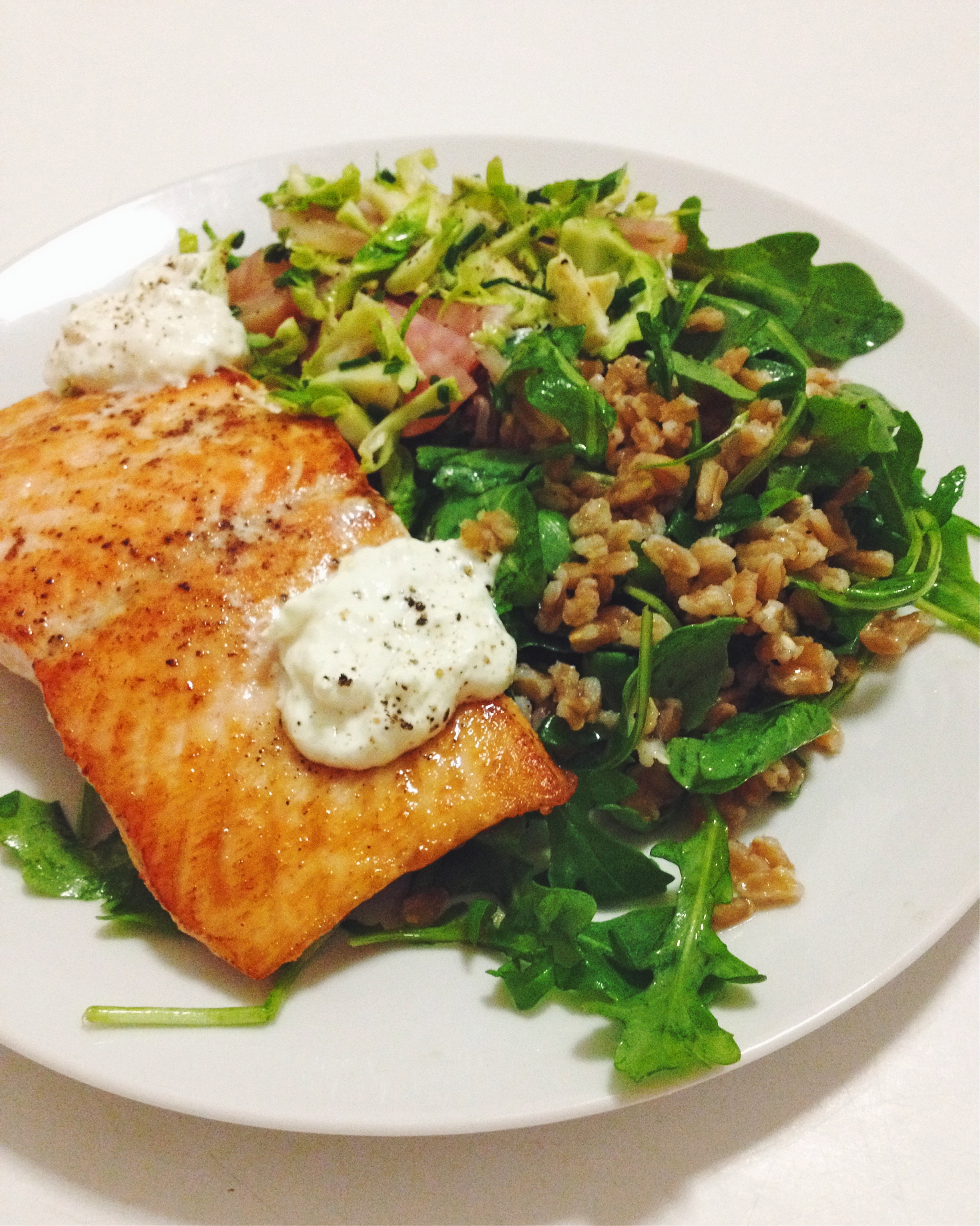
  • Pan-Seared Salmon with Arugula, Candy Stripe Beets & Horseradish Sour Cream
  • Greek-Style Braised Chicken Thighs with Fingerling Potatoes
  • Caramelized Pork & Congee with Crispy Shallots & Black Garlic

Each meal is slated to take an average of 35 minutes to prepare. While no nutrition information is provided for individual recipes, Blue Apron notes that each meal contains between 500 and 700 calories per serving.

Below I discuss the meals I received and cooked, showing pictures and providing individual feedback for each recipe.

Pan-Seared Salmon with Arugula, Candy Stripe Beets & Horseradish Sour Cream

Processed with VSCOcam with f2 preset

I cooked the fish on my first night Continue reading

Finding the Right Ratio: Basic Chia-Yogurt Mix

1 Oct

Processed with VSCOcam with f2 preset

I publicly announced my dabbling with chia pudding over the summer. Even though I adore chia seeds sprinkled in smoothies and oatmeal and baked goods, for a long time, I could not bring myself to adore chia pudding. Finally, after gleaning through what seemed like a zillion different variations on chia pudding and nixing the few not-so-great combos I tested at home, I found my go-to ratio that I truly do adore:

2 tablespoons chia seeds to 2/3 cup yogurt-water mix (a heaping 1/3 cup plain Greek yogurt + a scant 1/3 cup water)

I think the yogurt is really key. The thickness of the Greek yogurt provides a nice consistency, and the water loosens things ever so slightly. Mix everything in a jar the night before. The next morning, spoon the mixture into a bowl (or keep in the jar for an on-the-go breakfast) and add toppings! Coconut chips, granola, fruit, and nut butter are my go-to’s.

The berries in the picture above were frozen and I heated them in the microwave for 20-30 seconds. Sometimes I toss the berries in when they are still frozen. Different strokes.

Last month, I attended an acai bowl class at Sweetgreen taught by Ksenia of Breakfast Criminals. Her class inspired me to start “decorating” my breakfast, and I definitely feel more excited about eating when my bowl/plate looks colorful and pretty.

Processed with VSCOcam with f2 preset

I have been eating variations of my Basic Chia-Yogurt mix for the last month, at least two or three times a week, so I can now say that this ratio has been well-tested and given my seal of approval.

Sometimes I use a mix of chia, buckwheat, and hemp seeds instead of plain chia seeds. Change it up. Use the Basic Chia-Yogurt Mix as your starting ratio, then add in whatever looks good.

Basic Chia-Yogurt Mix

serves 1

The night before, mix together in a jar:

2 tablespoons chia seeds

heaping 1/3 cup plain Greek yogurt 

scant (aka slightly less than) 1/3 cup water

Stir, let it sit for 5 minutes, then stir again and place in the refrigerator overnight.

The next morning, either keep the chia-yogurt mix in the jar, or pour it out into a bowl. Sprinkle in your favorite fruity/crunchy/creamy toppings. I like a sprinkle of each of the following:

granola // coconut chips // fruit (fresh, frozen, or dried) // nut butter 

Cauliflower “Rice” Sauté: Food For the Summer-Fall Transition

25 Sep

Processed with VSCOcam with f2 preset

Making Cauliflower Pesto a few weeks ago turned me on to a whole world of cauliflower possibilities.

My post-pesto experiment? Rice! Or couscous, or whatever you want to call the small, fluffy tufts of pulsed, grated cauliflower.

The below links provided me with some background and technique on making grain-like cauliflower salads:

The Kitchn provides an easy how-to tutorial on cauliflower couscous

Food52 makes an easy spiced couscous with cumin, za’atar, and lemon

Joy the Baker turns colorful cauliflower  into a rice burrito bowl

The First Mess knows how to make a mean “rice and peas” with all of the best crunchy elements

Clearly, I wanted to be among those in the use-cauliflower-like-a-grain club. So, I picked out the biggest head of cauliflower at the farmer’s market and set to work.

An efficient person would likely use a food processor or blender to pulse the cauliflower into tiny pieces. I, on the other hand, used my box grater, justifying the mess I made all over the counter and the floor as a yearning for the old-fashioned and an excuse to exercise my arm and core muscles. To make less of a mess when grating my hand, try setting the box grater in a large bowl to catch fly-away cauliflower bits.

The cauliflower “rice” can be eaten raw, but I prefer it lightly sautéed.

Use the “rice” plain as a bed for a curry, or stir the “rice” into some seasonal vegetables and add-ins to create a full meal.

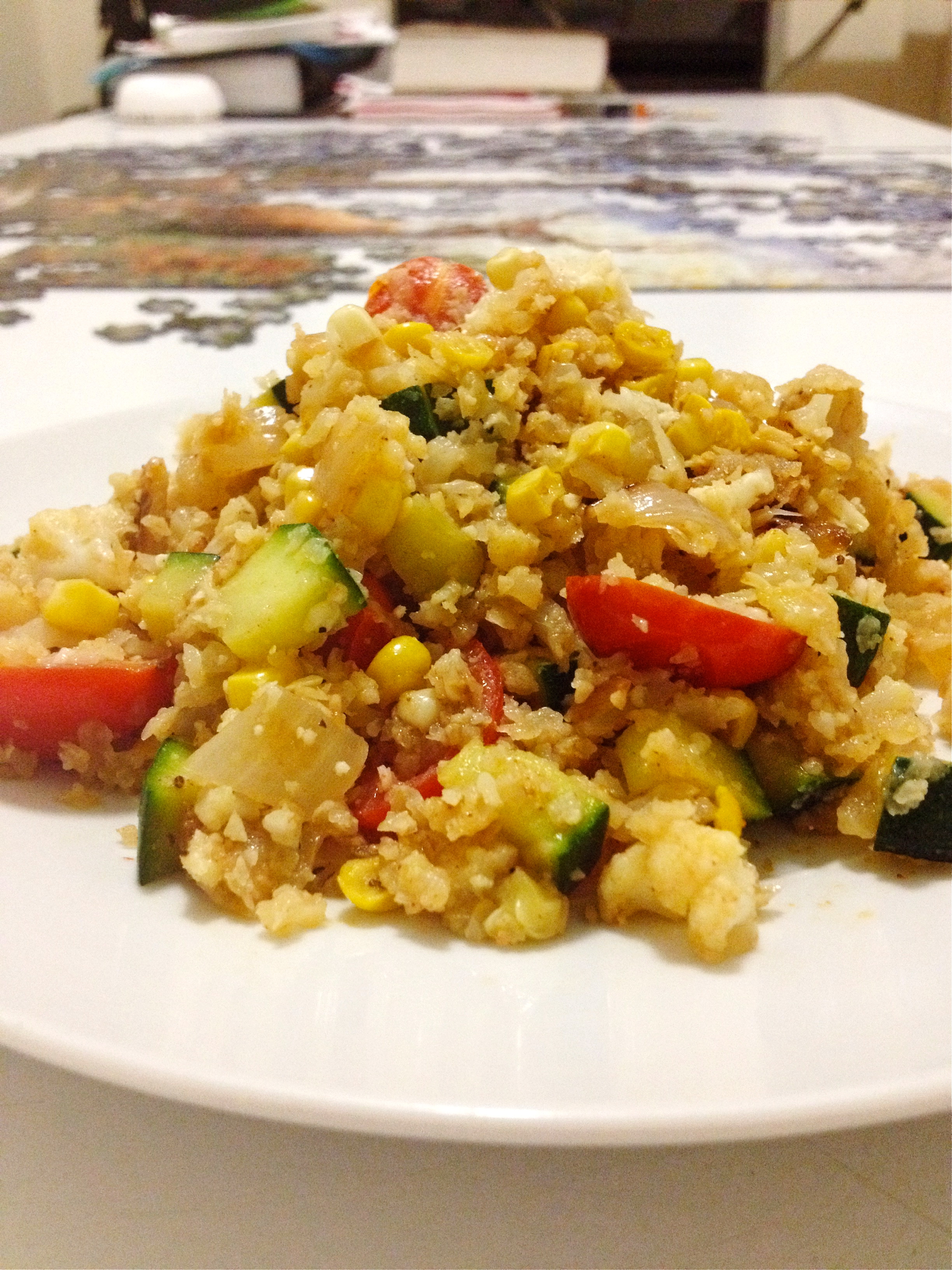
I cooked up some onion with zucchini, corn, and tomato, and mixed in the cauliflower “rice” with some chili powder, paprika, and my friend Amy’s uncle’s special Maryland spice blend (you can use something like Old Bay). Shave some Parmesan on top if you want. I took this for lunch every day this week, sometimes adding a little avocado or hummus on top to make things interesting.

Cauliflower is hot, hot, hot right now, as it should be. Jump on board.

Cauliflower “Rice” Sauté: Food For the Summer-Fall Transition

1/2 very large or 1 regular size head of cauliflower

1 tablespoon oil, olive or canola

1 small onion, chopped

1 small zucchini, chopped small

1/2 cup small tomatoes, sliced in half or quartered

1 ear corn, sliced off the cob

1 teaspoon each: chili powder, paprika, Old Bay

salt and pepper, to taste

optional: fresh grated Parmesan cheese and/or hot sauce

Wash the cauliflower and take off the stalk and leaves. Cut or tear the cauliflower into large florets. In batches, pulse the cauliflower florets until finely chopped and they look approximately the size of rice or couscous. **You can also use a box grater to grate the florets by hand. You should get about 4 cups, more or less. Set the “rice” aside.

In a large skillet, heat the oil over medium-high heat. Add the onion and sauté for 2-3 minutes. Add the zucchini, corn, and tomatoes and sauté for another 5 minutes.

Slowly toss the cauliflower “rice” into the skillet with the spices. Continue cooking everything for another few minutes. Taste and add salt and pepper as needed. Finish with Parmesan and/or hot sauce.

Blueberry Compote (with gin!)

1 Sep

Processed with VSCOcam with f2 preset

David Lebovitz said I should put gin in my blueberry compote. So I did.

In the headnote of his recipe, Lebovitz writes, “…Gin’s herbaceous flavor does indeed marry nicely with blueberries–it can hardly be tasted once cooked, but somehow it just rounds out the blueberry notes…”

I was immediately sold. I took out a saucepan, set it on the stove, and proceeded to make what is now my favorite fruit-based “condiment” of the summer (I imagine another similar summer berry, such as a blackberry, could be substituted for the blueberry).

Cooking the blueberries helped bring out that intense deep blue color and concentrated the flavor, giving off a quintessential blueberry smell. The texture of the berries changed, too, leaving the sometimes-mushy consistency of a fresh blueberry behind and highlighting a blueberry that bursts and oozes a juicy filling instead. Nature’s gushing candy!

********

Toss blueberries in a pot with a little sugar and a little gin and cook the mix for just a few minutes until the blueberries soften and begin to release their juices. 

That’s the shorthand version of the recipe. 3 ingredients. 1 pot. 5 minutes.

Serve chilled, room temperature, or slightly warm. I have been enjoying the compote with a generous scoop of plain yogurt, and spooned atop pancakes. It would also pair well with: oatmeal, ice cream, cake, nut-butter toast.

Blueberry Compote (with gin!)

from David Lebovitz’s Ready for Dessert; makes about 2 cups

*When I made the compote, I had slightly under 2 cups of blueberries. I ended up eyeballing the sugar and gin to about 2 tablespoons sugar and 1 heaping spoon of gin. If you feel comfortable eyeballing to taste, go for it. The proportions listed below are the original ones used in Lebovitz’s book.

  • 2 1/2 cups (12 ounces/340g) fresh blueberries (or frozen)
  • 1/4 cup (50g) sugar
  • 2 tablespoons (30ml) gin (I used Hendrick’s Gin)

Combine the blueberries, sugar, and gin in a medium saucepan. Cook over medium heat, stirring occasionally, until the berries just begin to soften and release their juices. Remove from heat and let stand, uncovered, and let cool to room temperature. Taste for sweetness and add more sugar, if desired.

Storage: This compote can be stored in a jar or tupperware the refrigerator for up to 3 days.  This compote is actually better when prepared a day in advance, which gives it time to thicken nicely.

Variation: If you do not want to use gin, you can substitute water and a good squeeze of lemon juice.